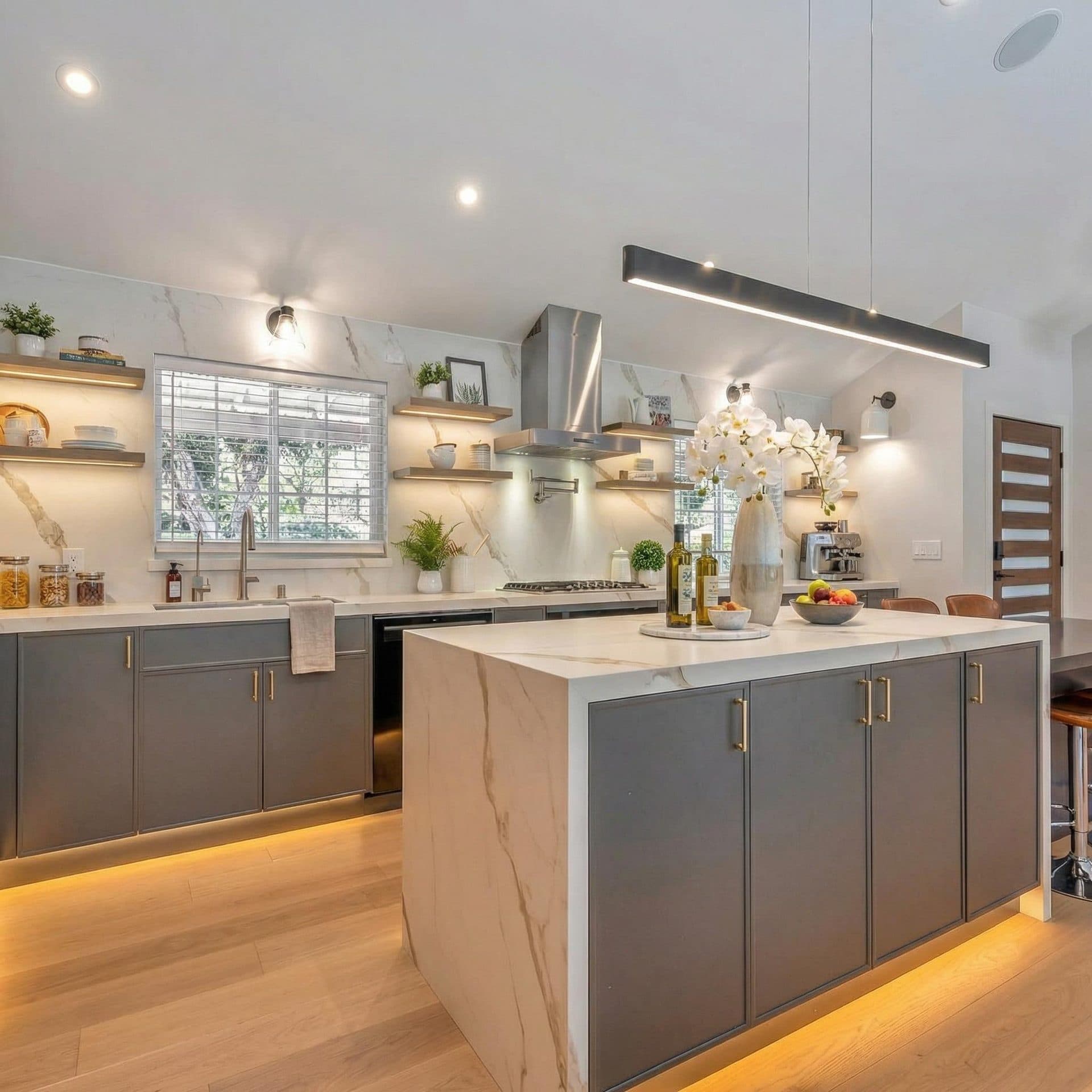
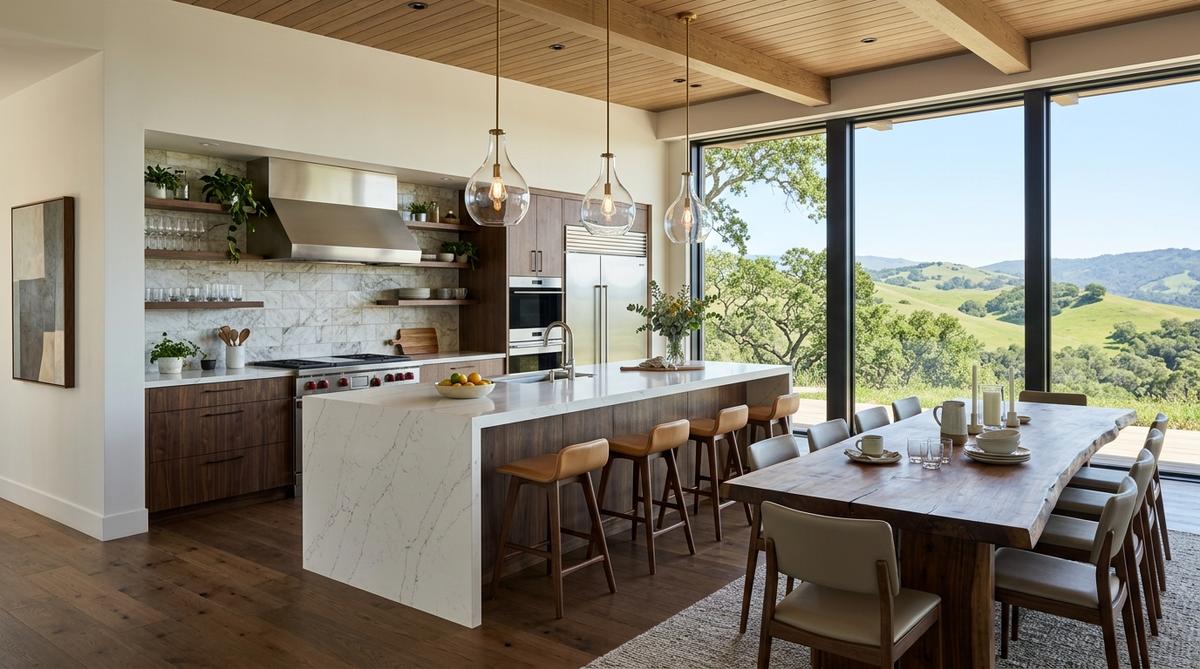
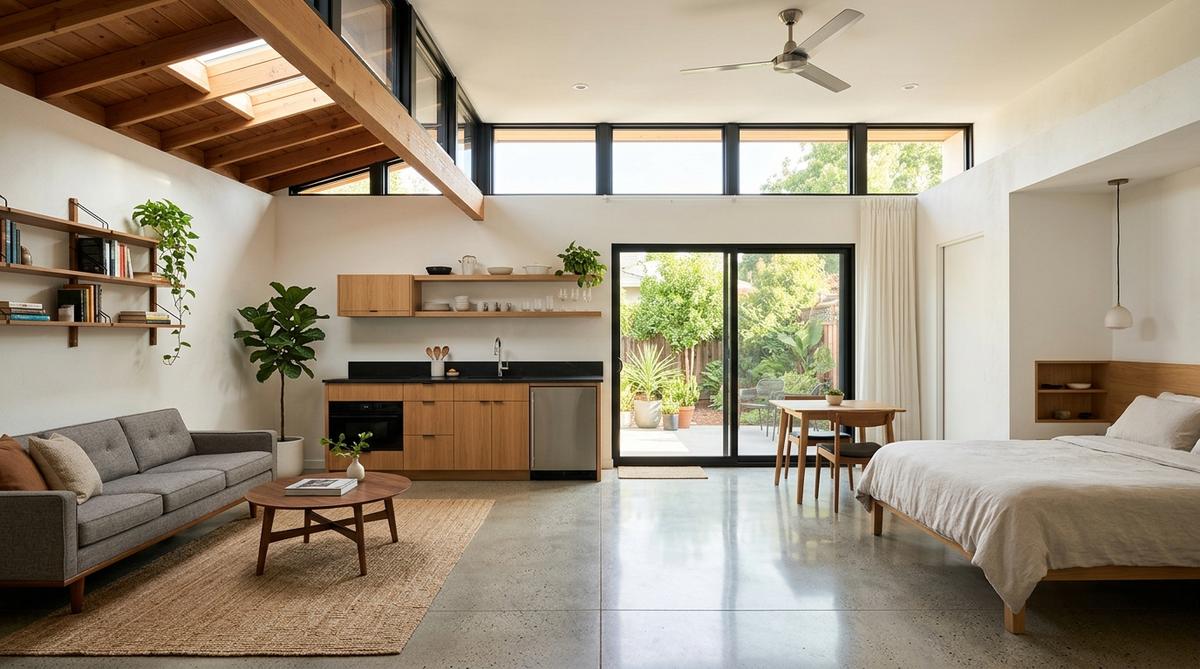
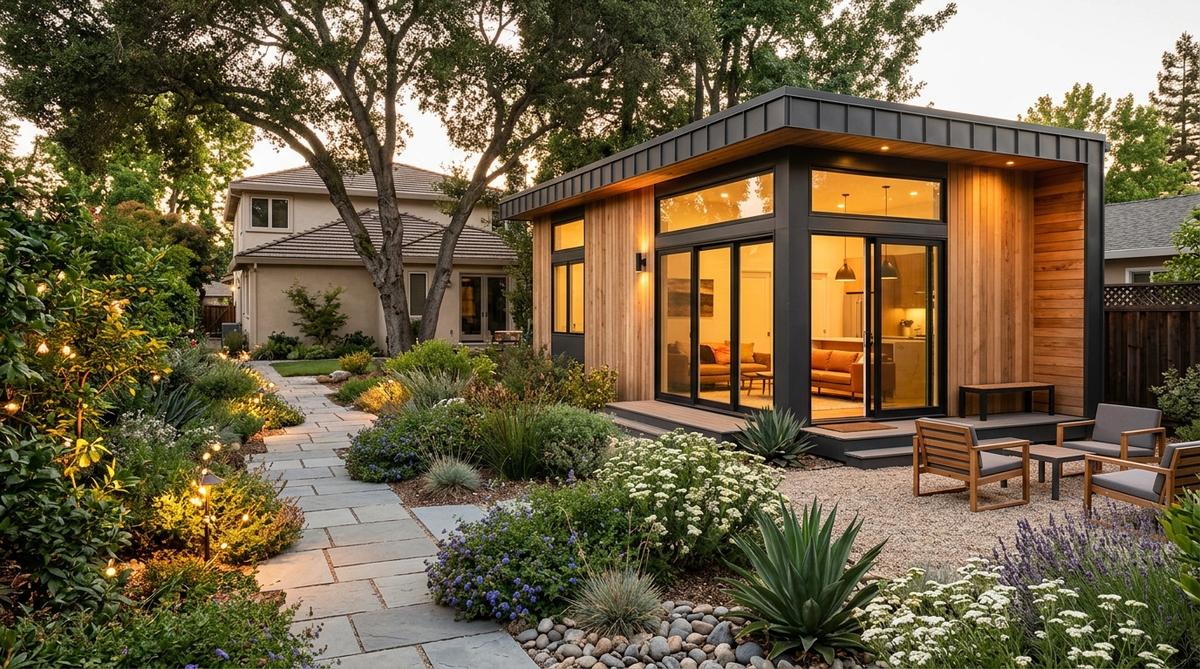
A kitchen remodel in San Jose returns between 50% and 80% of your investment at resale in 2026, according to Remodeling Magazine's Cost vs. Value Report. Minor kitchen refreshes deliver the highest ROI at 72-80%, while major renovations return 50-60%. In the Bay Area's competitive housing market, an updated kitchen can also accelerate your sale by 2-3 weeks. Per Zillow and Redfin market analyses, move-in-ready kitchens consistently improve buyer engagement and reduce concession pressure in higher-priced markets.
Homeowners researching kitchen remodel ROI usually ask one thing: will I get my money back? In San Jose, the better question is which upgrades preserve value while still improving daily life. Buyers in the Bay Area scan kitchen quality quickly, and they price homes based on what they see in the first few minutes of a showing. Layout function, cabinet condition, lighting, and countertop quality influence offer strength more than ultra-custom features that reflect one owner's personal taste.
This guide breaks down kitchen remodel value by project scope, upgrade type, and local market behavior so you can spend with purpose. If you are comparing scope and budget first, review our San Jose kitchen cost guide. For design-build planning, see our kitchen remodeling services, compare with our remodeling cost guide, or connect through our contact page.
📋 Key Takeaways
- ✓ Minor kitchen remodels often return about 72-80% in resale value, while major remodels typically return around 50-60%.
- ✓ San Jose kitchens that look updated and functional can help homes sell faster in competitive Bay Area inventory cycles.
- ✓ Cabinet refreshes, countertops, and lighting typically deliver better percentage ROI than highly customized luxury upgrades.
- ✓ Spending 5-15% of home value is a common planning range for balancing lifestyle improvements and resale protection.
- ✓ ROI decisions improve when scope is tied to ownership timeline, local comps, and realistic buyer expectations.
Kitchen Remodel ROI by Project Type
ROI is tied to cost discipline. Smaller, strategic upgrades often return more because buyers reward freshness and function, not excess spend. The table below reflects typical 2026 ranges seen in San Jose and similar Bay Area markets.
According to Remodeling Magazine's Cost vs. Value reporting, mid-range kitchen programs usually outperform luxury overbuilds on percentage return even in premium metros.
| Project Type | Typical Cost | Expected ROI |
|---|
| Minor refresh (cosmetic) | $15,000-$30,000 | 72-80% |
| Mid-range remodel | $35,000-$85,000 | 55-65% |
| Major renovation | $85,000-$150,000 | 50-60% |
| Luxury/custom | $150,000+ | 40-50% |
The biggest takeaway for Bay Area owners is that kitchen remodel ROI usually declines as scope becomes highly customized. Buyers in San Jose pay for clean, current, functional kitchens, but they do not pay dollar-for-dollar for premium extras beyond neighborhood norms. A smart mid-range package can outperform a luxury package on resale return while still feeling high-end in daily use.
Best ROI Kitchen Upgrades (Ranked)
These upgrades consistently perform in San Jose because they offer visible impact with controlled cost. When homeowners ask what adds most value to kitchen projects, this is where we usually start.
Per NKBA trend research, cabinetry finish updates and improved storage design continue to rank among the most requested and most value-perceived kitchen improvements.
- Cabinet refacing or painting ($5,000-$15,000, often 75%+ ROI): upgrades the dominant visual surface without full replacement cost.
- New countertops ($3,000-$15,000, around 65-75% ROI): quartz and durable surfaces increase buyer confidence and reduce perceived maintenance.
- Updated lighting and hardware ($500-$3,000, often 80%+ ROI): low-cost upgrades with immediate visual payoff in listing photos and tours.
- Modern appliances ($3,000-$20,000, around 60-70% ROI): energy-efficient, coordinated packages improve function and marketability.
- Backsplash refresh ($1,000-$5,000, around 70-80% ROI): ties finishes together and signals a current kitchen without major structural work.
In San Jose listings, these upgrades photograph well and read as complete rather than partial. A buyer may not know material specs, but they notice cohesive finishes and practical function instantly. That first impression is a core driver of kitchen remodel value in competitive Bay Area neighborhoods.
Worst ROI Upgrades to Watch
Some upgrades are expensive but do little for appraised or perceived value. These are common budget leaks in both San Jose and wider Bay Area remodels.
- Moving plumbing lines ($3,000-$8,000): large cost with minimal visible impact unless layout function improves dramatically.
- Ultra-luxury appliances above $15,000: diminishing returns are common in mid-range neighborhoods.
- Highly custom built-ins: personal taste can reduce buyer pool and resale appeal.
- Niche finish combinations: bold stylistic choices can trigger discount requests from buyers who plan to rework the space.
- Over-engineered smart systems: expensive features may not translate to measurable resale premiums.
This does not mean those choices are "wrong." It means they are lifestyle investments, not high-return investments. If you plan to stay long term in San Jose, personal upgrades can still be worth it. If resale is the priority, focus spending where the broadest buyer group sees value immediately.
Why Kitchen ROI Is Stronger in the Bay Area
The Bay Area market gives kitchens outsized importance because expectations are high and inventory quality varies widely. In San Jose, median home value near $1.4M means buyers compare homes carefully and adjust offers quickly when kitchens look dated.
According to Redfin market observations, listings with updated kitchens in high-cost California cities often attract stronger early-stage buyer traffic than comparable homes with visibly dated layouts.
- Higher baseline home values: a practical kitchen update influences a larger transaction amount.
- Competitive buyer behavior: move-in-ready homes in San Jose often attract stronger, faster offers.
- Staging reality: agents repeatedly report that kitchens are central to perceived home quality.
- Time-to-sale impact: updated kitchens can reduce market time by roughly 2 to 3 weeks.
- Financing perception: buyers often price renovation hassle into offers when kitchens need immediate work.
In practice, kitchen remodel ROI in San Jose is not only about recovered dollars. Faster sale velocity, fewer concession requests, and stronger buyer confidence add meaningful financial value. A home that sells sooner can reduce holding costs and remove negotiation pressure, which improves your net outcome even if ROI percentage looks similar on paper.
Beyond Resale: Quality-of-Life ROI
Not every return appears in closing documents. Many San Jose homeowners remodel because the kitchen is used every day for cooking, work-from-home breaks, family routines, and entertaining. These daily gains are real value.
- Time savings: better workflow between prep, cook, and cleanup zones reduces daily friction.
- Energy savings: modern appliances and lighting can lower monthly utility usage.
- Maintenance reduction: updated materials are easier to clean and less likely to fail.
- Enjoyment value: a kitchen you like using improves everyday comfort.
- Hosting value: open, functional layouts improve social use for family and guests.
If you plan to stay in your Bay Area home for several years, quality-of-life return may outweigh resale return. The strongest strategy balances both: choose upgrades that improve daily living now and still hold broad appeal when you sell.
How Much Should You Spend in San Jose?
A practical rule for many San Jose owners is spending about 5% to 15% of home value, then adjusting for neighborhood finish level and ownership horizon. If you are preparing to sell in the next one to three years, conservative scope usually protects kitchen remodel value. If you plan to stay seven years or more, adding comfort-focused upgrades may make sense even at lower resale percentages, especially when the work follows a clear remodeling process.
To define scope with confidence, compare your home against recent local sales with similar square footage and lot profile. Then prioritize updates that close obvious gaps between your kitchen and nearby listings. This market-based method keeps Bay Area remodels aligned with buyer expectations and helps avoid over-improvement.
ROI by Ownership Timeline: Sell Soon vs Stay Longer
One of the biggest mistakes in kitchen remodel planning is using the same strategy for every homeowner. A seller in San Jose planning to list within 12 months needs a different scope than a family planning to stay for 8 to 10 years. Kitchen remodel ROI changes with time horizon because your return comes from two buckets: resale proceeds and years of daily use.
If you plan to sell in 0-2 years
- Prioritize cosmetic wins with broad appeal: cabinet updates, counters, lighting, and paint.
- Stay conservative on custom details that only a small buyer segment will value.
- Match neighborhood standards in San Jose rather than trying to set a new luxury benchmark.
- Target speed and cleanliness so the home photographs well and enters the Bay Area market quickly.
If you plan to stay 3-7 years
- Blend resale-focused upgrades with one or two quality-of-life improvements.
- Invest in durable materials that hold up to daily use and still attract future buyers.
- Consider modest layout improvements when they clearly improve function.
- Protect kitchen remodel value by avoiding high-cost personalization with narrow appeal.
If you plan to stay 8+ years
- Design around lifestyle, ergonomics, and long-term convenience.
- Allocate budget to function-first upgrades such as storage, workflow, and lighting quality.
- Keep core finishes timeless so resale remains strong in San Jose even after years of ownership.
- Treat ROI as a combined metric of resale plus daily enjoyment, not resale alone.
This timeline framing helps resolve the "is a kitchen remodel worth it" question faster. For many Bay Area owners, the answer is yes when scope reflects both market expectations and ownership duration. High-value decisions come from clarity on when you expect to realize the return.
Simple ROI Model for San Jose Homeowners
You do not need a complex spreadsheet to estimate kitchen remodel ROI. A simple model can help compare options before selecting scope. Use this baseline in early planning conversations:
ROI Model
Estimated ROI = (Expected resale premium + estimated sale-speed benefit + utility savings over ownership period) / project cost
Example: a San Jose homeowner spends $60,000 on a mid-range kitchen update. If likely resale premium is $35,000, estimated reduced carrying costs from faster sale are $7,000, and cumulative utility savings over ownership are $4,000, total return signals reach $46,000. That yields a direct estimated return of about 77% when all three factors are counted. Your exact numbers will vary by neighborhood and timing, but this approach gives a practical framework.
This model also helps compare two scopes. A $95,000 major renovation in the same Bay Area neighborhood might deliver stronger daily comfort but only a modest resale increase over a $60,000 scope. Seeing both paths side by side makes decisions easier and keeps budget debates grounded in real outcomes rather than assumptions.
Common ROI Mistakes in Bay Area Kitchen Projects
High-cost mistakes are often avoidable when they are identified before design is finalized. These are the patterns we see most in San Jose projects where kitchen remodel value underperforms expectations.
- Designing only for personal taste: resale performance drops when finish choices are too specific.
- Ignoring local comparables: over-improvement happens when scope is not anchored to nearby sale quality.
- Overspending on hidden work with no visible benefit: necessary code work matters, but extra complexity can erode ROI.
- Skipping lighting strategy: even premium kitchens can look flat in photos without layered lighting.
- Under-budgeting contingency: forced downgrades late in the project can reduce final visual cohesion.
- Chasing trend saturation: trend-heavy finishes can feel dated faster in the San Jose market.
Avoiding these issues does not require a higher budget. It requires better sequencing and stronger scope discipline. In Bay Area remodels, consistency often beats extravagance. A cohesive kitchen with practical materials can outperform a fragmented high-cost remodel in both buyer response and appraised confidence.
Pre-Listing Kitchen Strategy for Maximum Return
If your target is to sell soon in San Jose, your pre-listing plan should prioritize speed, broad appeal, and defect reduction. The goal is to remove buyer objections before the first open house, whether you are doing a focused update or a full kitchen remodeling project.
- Complete visible wear repairs: chipped doors, damaged counters, weak lighting, and outdated fixtures.
- Use neutral, timeless finish selections that fit a wide Bay Area buyer profile.
- Ensure appliances, plumbing fixtures, and hardware present as a coordinated set.
- Deep-clean and stage the kitchen for photography; listing images shape perceived value immediately.
- Coordinate remodel completion with listing timeline so the home reaches market at peak presentation.
In many San Jose sales, this pre-listing strategy can outperform larger-scale remodels that run too close to listing season. A completed, polished kitchen with clear functional upgrades gives buyers confidence and keeps negotiations focused on the home's strengths.
Frequently Asked Questions
What adds the most value to a kitchen remodel?
Cabinet finish updates, new countertops, modern lighting, and quality hardware are usually the best value drivers. These upgrades create immediate visual impact in San Jose listings without the heavy cost of full structural changes.
Is remodeling before selling worth it in San Jose?
In many Bay Area neighborhoods, yes. A focused kitchen refresh can increase buyer interest, reduce days on market, and improve negotiating leverage. The key is matching scope to local expectations rather than overbuilding.
What is ROI on minor vs. major kitchen remodels?
Minor refreshes commonly return about 72% to 80%, while major renovations often return around 50% to 60%. The difference comes from cost escalation and diminishing buyer premiums for luxury additions.
What are the best upgrades for kitchen resale value?
Prioritize cabinets, counters, lighting, hardware, and neutral finishes. Mid-to-high quality appliances also help. In San Jose, buyers consistently reward clean, cohesive kitchens that feel move-in ready.
How much should you spend relative to home value?
Many homeowners target 5% to 15% of home value, then adjust for market comps and timeline. That framework supports strong kitchen remodel ROI while keeping investment aligned with neighborhood resale ceilings.
Planning a High-Value Kitchen Remodel?
Get a practical San Jose roadmap with upgrade priorities, ROI-focused budgeting, and a build plan aligned with Bay Area buyer expectations.