Choosing between quartz vs granite countertops is one of the most common decisions San Jose homeowners face during a kitchen remodel. Both materials are durable, attractive, and widely available in the Bay Area, but they perform differently in daily use and carry different maintenance requirements over time.
This guide gives you a complete comparison of quartz vs granite countertops for 2026, covering cost, durability, maintenance, appearance, and resale value. We work with San Jose homeowners every week at Maison Remodeling Group (CA License #1147102), and this is the information we share before any countertop decision is made.
For broader kitchen planning context, see our kitchen remodeling services or compare full project costs in our kitchen remodeling cost guide for San Jose. Our remodeling costs guide and contact page are the best next steps when you are ready to plan.
📋 Key Takeaways
- ✓ Quartz countertops cost $50 to $150 per square foot installed in San Jose; granite ranges from $40 to $200 per square foot depending on slab tier and fabrication complexity.
- ✓ Quartz is non-porous and requires no sealing; granite benefits from periodic sealing every 1-3 years depending on stone density and use.
- ✓ According to the Natural Stone Institute, granite hardness varies by slab, while engineered quartz offers more consistent performance across the surface.
- ✓ Both materials can last 20-30+ years with proper care; the right choice depends on your cooking habits, maintenance preferences, and design goals.
- ✓ In 2026, quartz is used in more than 65% of Bay Area kitchen remodels, largely due to its low maintenance profile and design consistency.
Quartz vs Granite: Complete Comparison Table
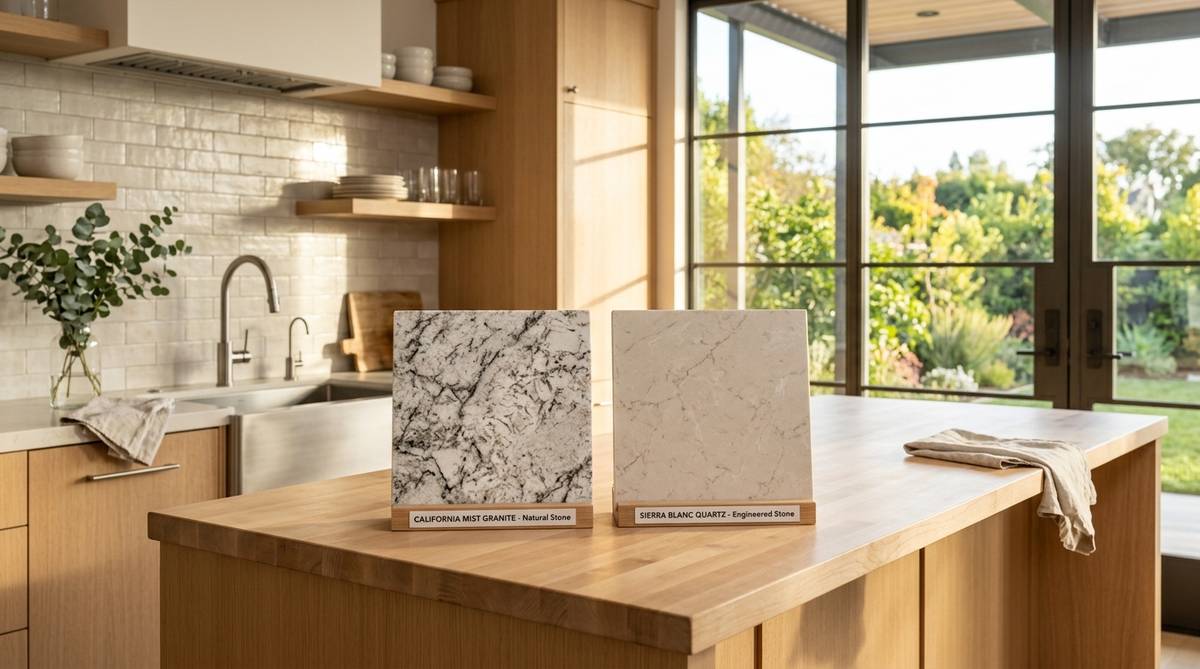
| Category | Quartz | Granite |
|---|
| Cost installed (San Jose 2026) | $50-$150/sqft | $40-$200/sqft |
| Maintenance | Low, no sealing needed | Moderate, periodic sealing recommended |
| Heat resistance | Good, use trivets for hot pans | Excellent, handles direct heat well |
| Stain resistance | Excellent, non-porous surface | Good with proper sealing |
| Scratch resistance | Very good | Very good |
| Appearance | Consistent, wide range of patterns | Unique natural movement, one-of-a-kind |
| Outdoor use | Not recommended | Works well outdoors |
| Resale value | Strong in modern Bay Area homes | Strong in luxury and traditional markets |
| Eco-friendliness | Manufactured, some recycled content | Natural material, quarrying impact varies |
What Is Quartz Countertop Material?
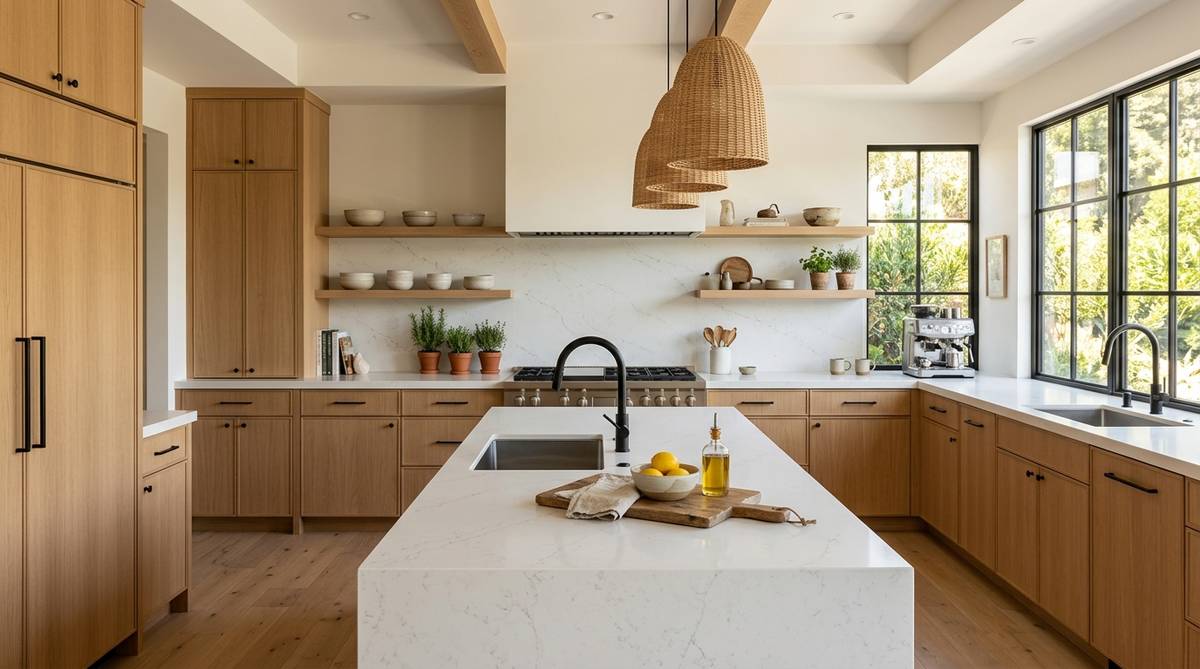
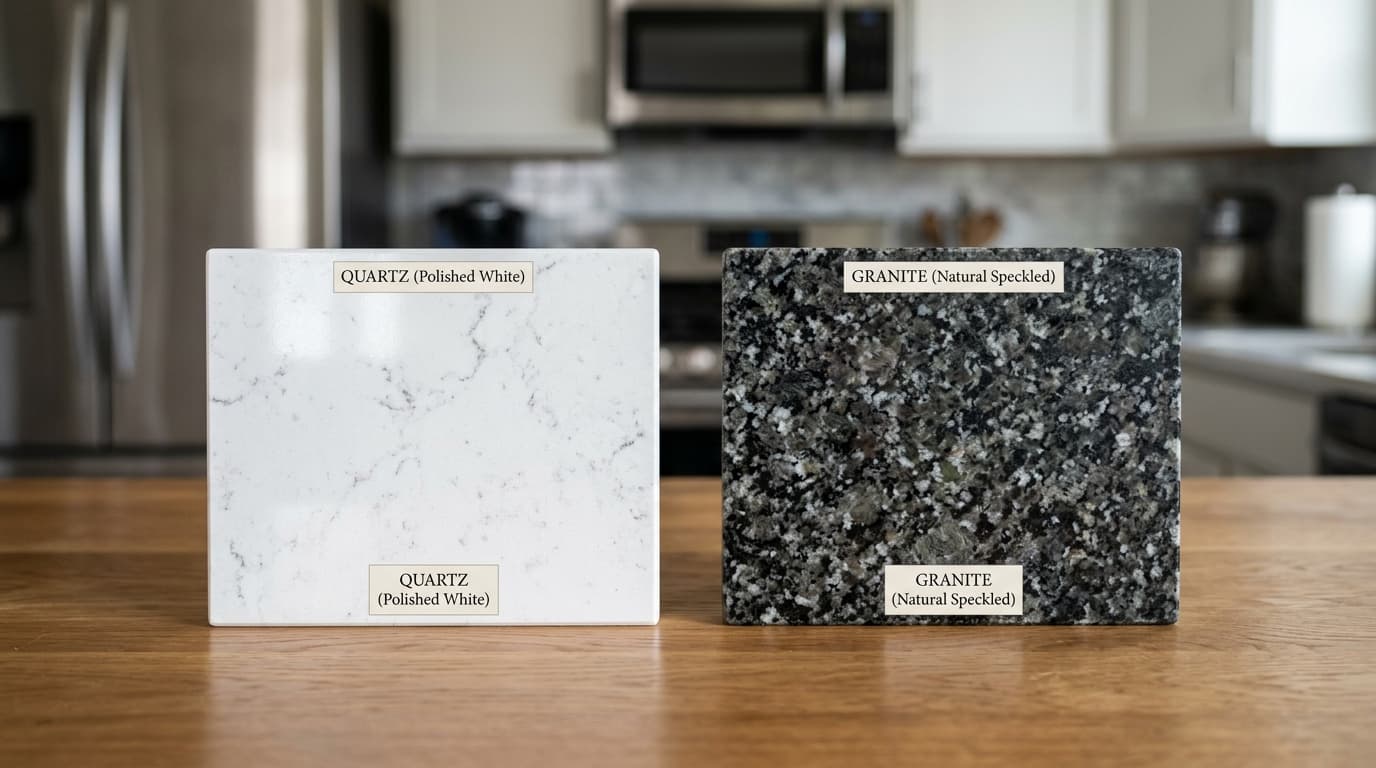
Quartz countertops are engineered stone products made from approximately 90-95% ground natural quartz crystals bound with polymer resins and pigments. The manufacturing process creates a non-porous, highly consistent surface that does not require sealing.
Because quartz is engineered, manufacturers can control color, pattern, and veining with precision. This means you can find quartz that mimics the look of Carrara marble, Calacatta gold, or concrete, with far more predictability than natural stone. For San Jose homeowners who want a specific look across a long countertop run or a large island, that consistency is a significant advantage.
The non-porous surface also means quartz resists bacteria, mold, and staining without any maintenance beyond regular cleaning. For busy Bay Area families, this is often the deciding factor.
What Is Granite Countertop Material?
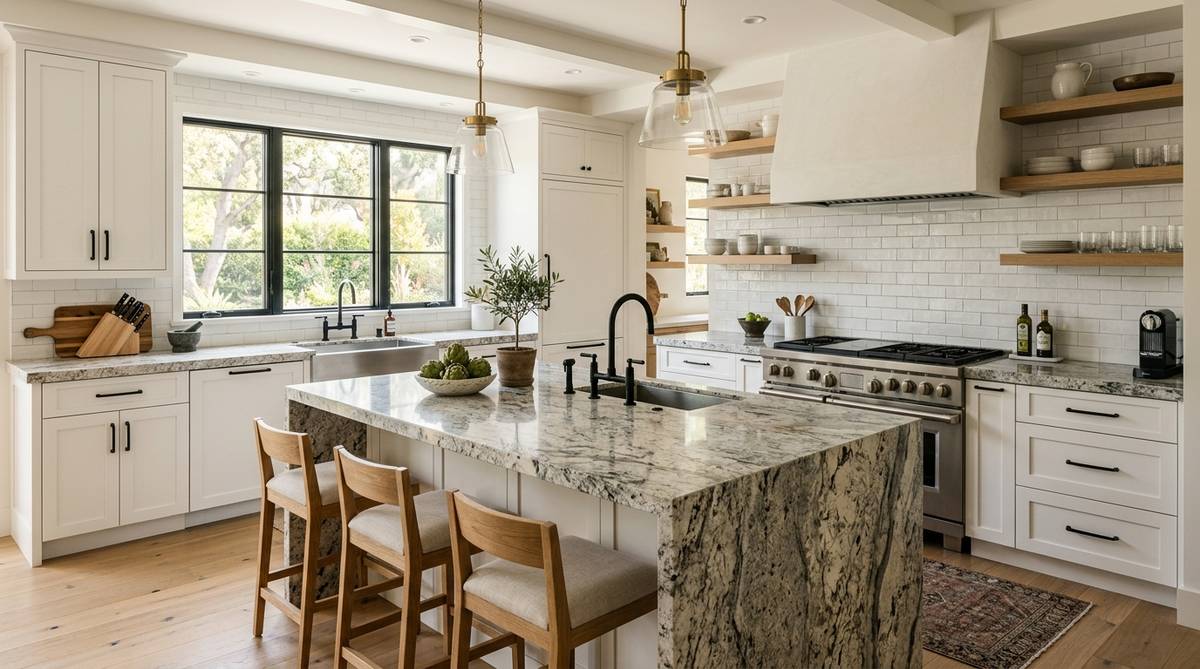
Granite is a natural igneous rock quarried from the earth, cut into slabs, and polished for use as countertops. Each slab is unique, with natural variation in color, veining, and mineral composition that cannot be replicated.
According to the Natural Stone Institute, granite hardness varies by slab because different quarries produce stone with different mineral compositions. Most granite rates between 6 and 7 on the Mohs hardness scale, making it highly resistant to scratching and chipping in normal kitchen use.
Granite is porous to varying degrees depending on the specific stone. Most granite benefits from sealing every one to three years to prevent staining from oils, wine, and acidic foods. Some denser granites require less frequent sealing; others need more attention. Your fabricator can advise on the specific stone you choose.
Cost Comparison: Quartz vs Granite in San Jose
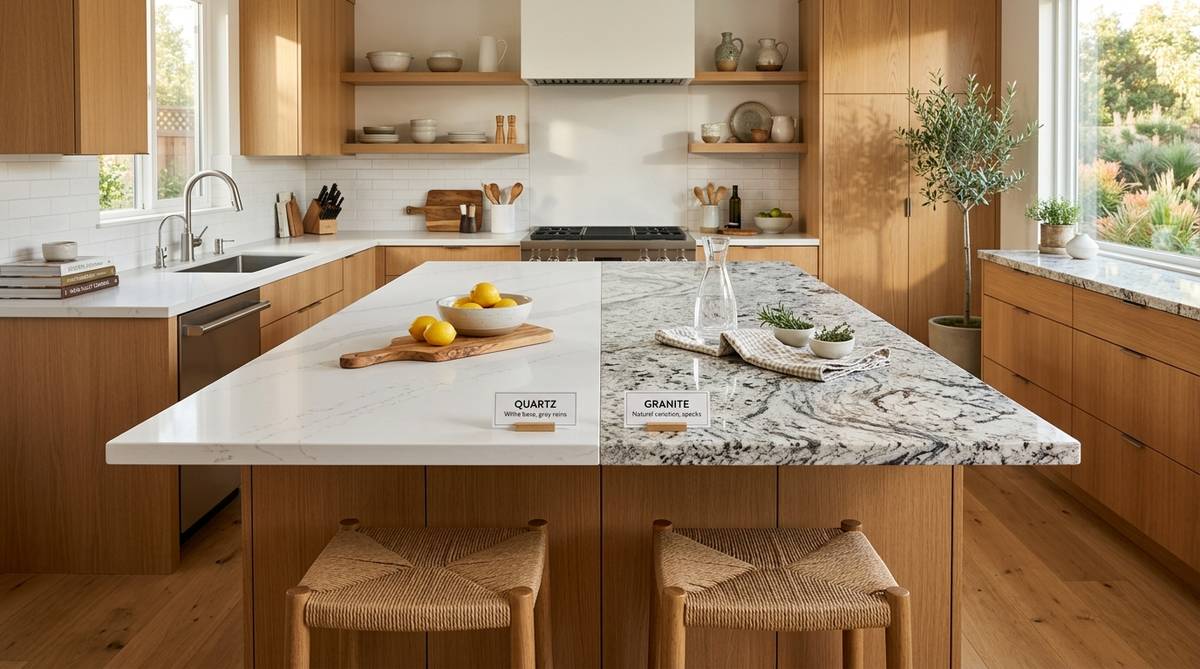
Installed countertop pricing in San Jose includes the slab, fabrication, edge profile, cutouts, and installation labor. The ranges below reflect real 2026 Bay Area pricing.
| Material Tier | Quartz (installed) | Granite (installed) |
|---|
| Entry level | $50-$75/sqft | $40-$70/sqft |
| Mid-range | $75-$110/sqft | $70-$130/sqft |
| Premium | $110-$150/sqft | $130-$200+/sqft |
For a typical 30-square-foot kitchen countertop, that translates to:
- Entry quartz: $1,500 to $2,250
- Entry granite: $1,200 to $2,100
- Premium quartz: $3,300 to $4,500
- Premium granite: $3,900 to $6,000+
These numbers are for slab and installation only. Edge profiles, undermount sink cutouts, cooktop cutouts, and backsplash runs add to the total. In San Jose, fabrication and labor typically account for 40-60% of the final countertop invoice, which is why two homeowners can choose similar-looking slabs and still get very different totals.
💡 Pro Tip
When comparing countertop quotes in San Jose, always ask for a line-item breakdown that separates slab cost, fabrication, edge profile, cutouts, demolition, and installation. A quote that looks lower often excludes items that will become change orders later.
Durability: Which Lasts Longer?
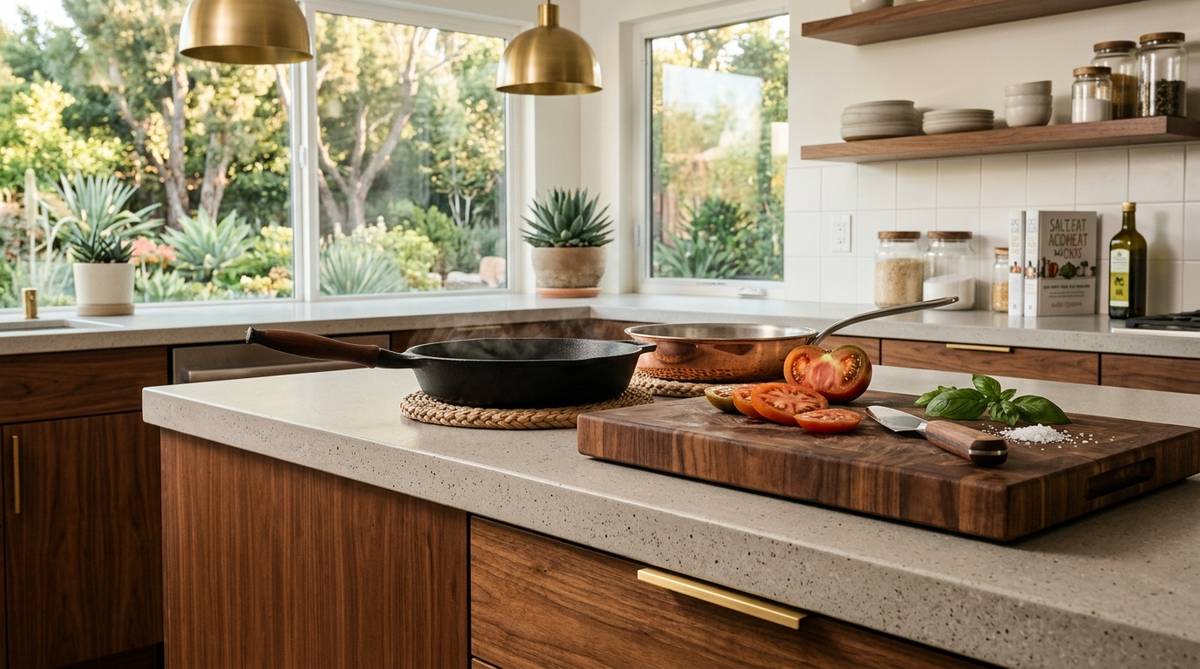
Both quartz and granite are extremely durable countertop materials. With proper care, either can last 20 to 30 years or more in a San Jose kitchen. The differences are in how they handle specific types of stress.
Scratch resistance: Both materials resist scratching well in normal kitchen use. Quartz is slightly more consistent because it is engineered; granite hardness varies by slab. Neither should be used as a cutting board.
Heat resistance: Granite handles direct heat better than quartz. You can set a hot pan directly on granite without damage. Quartz contains polymer resins that can discolor or crack under sustained high heat, so trivets are recommended. For serious home cooks who frequently move hot pans, this is a meaningful difference.
Chip resistance: Both materials can chip at edges if struck with force. Quartz tends to chip more cleanly; granite chips can sometimes reveal the natural stone beneath. Edge profile choice affects chip risk, with eased and beveled edges more durable than sharp pencil edges.
Impact resistance: Neither material is designed to absorb impact. Dropping a heavy cast iron pan on either surface can cause damage. Quartz is slightly more forgiving due to its engineered composition.
Maintenance: The Biggest Practical Difference
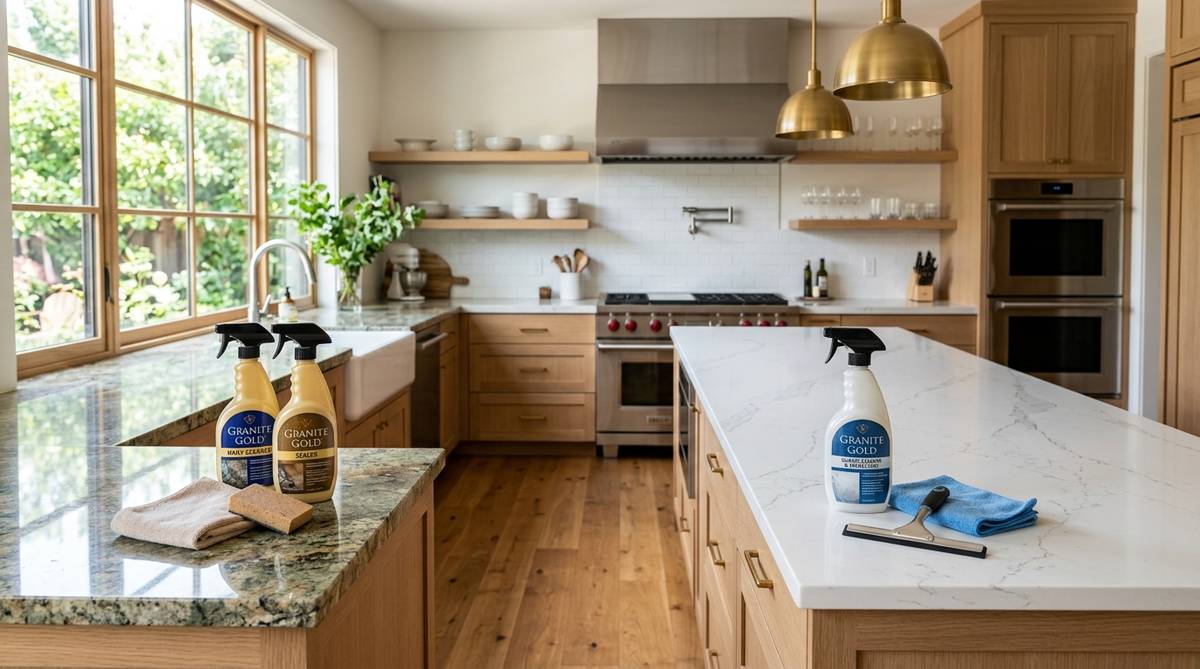
Maintenance is where quartz and granite diverge most clearly for everyday San Jose homeowners.
Quartz maintenance: Clean with mild soap and water. No sealing required. Avoid harsh chemicals and prolonged exposure to direct sunlight, which can cause fading over time. That is essentially the entire maintenance routine.
Granite maintenance: Clean with mild soap and water. Seal every 1-3 years depending on stone density and use. Avoid acidic cleaners that can etch the surface. Wipe up spills promptly, especially wine, citrus, and oils. Some granites are more porous than others and require more frequent attention.
For Bay Area families with busy schedules, the low-maintenance profile of quartz is often the deciding factor. For homeowners who enjoy the ritual of caring for natural materials and want the unique character of real stone, granite's maintenance requirements are a reasonable tradeoff.
Appearance: Natural vs Engineered
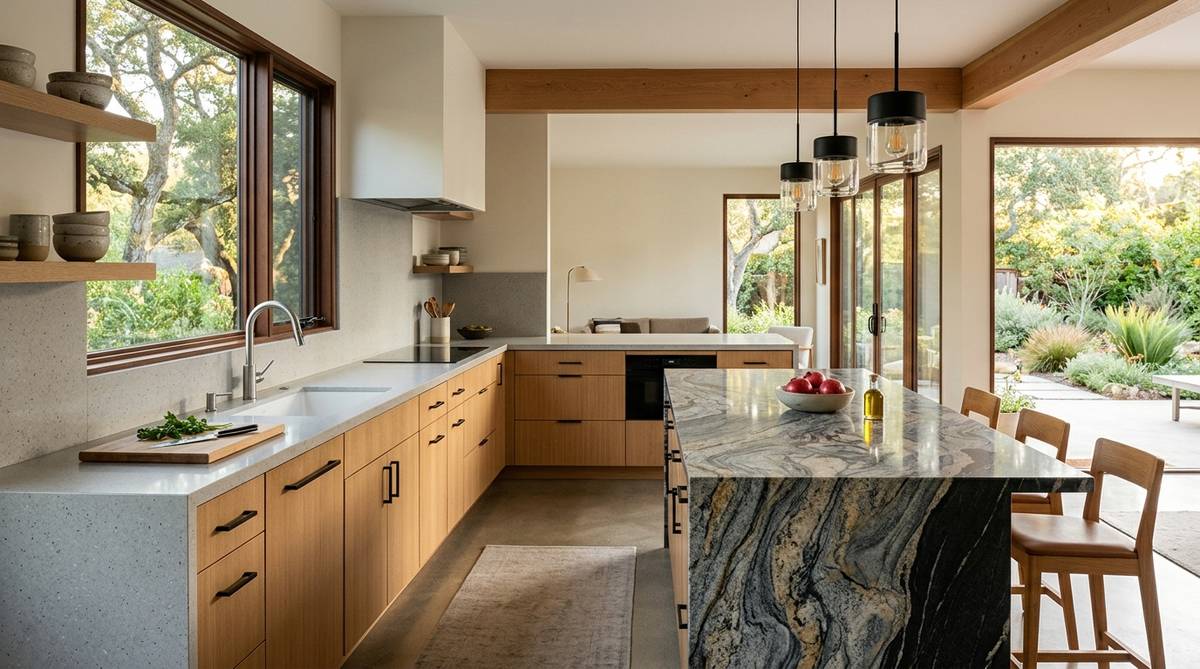
This is where personal preference matters most. Neither material is objectively more beautiful, but they offer different aesthetic experiences.
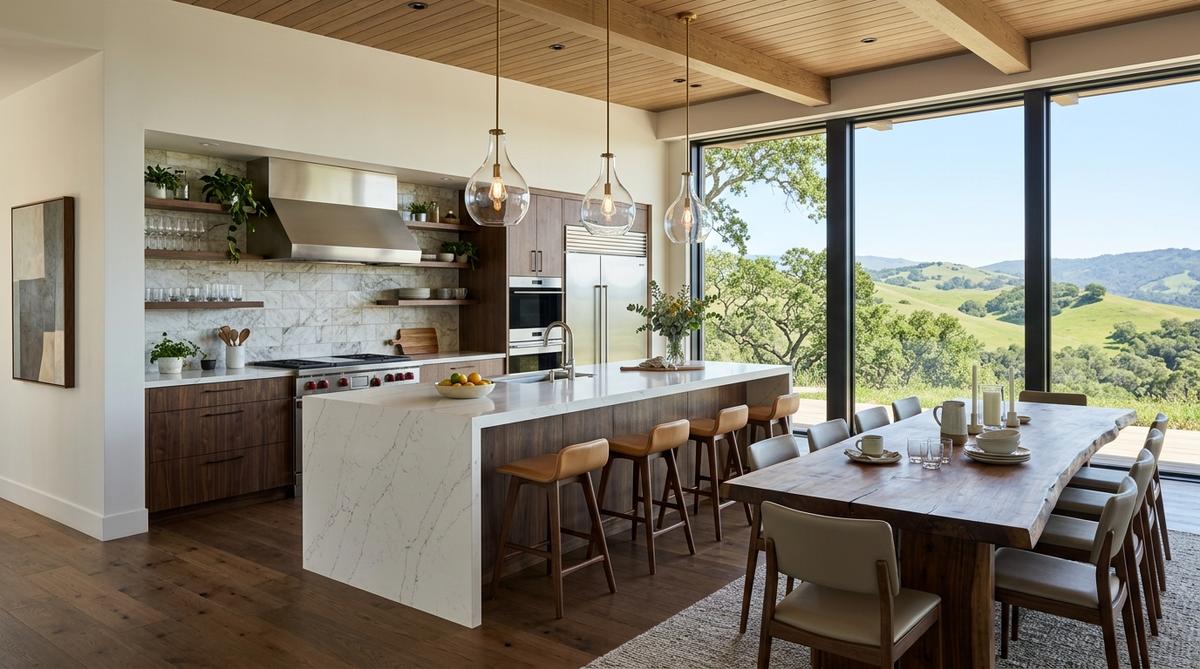
Quartz appearance: Consistent, predictable, and available in an enormous range of colors and patterns. Modern quartz can convincingly mimic marble, concrete, and natural stone. The consistency is an advantage for long countertop runs and large islands where pattern matching matters. The tradeoff is that quartz lacks the depth and movement of real stone.
Granite appearance: Every slab is unique. The natural mineral movement, color variation, and crystalline structure of granite cannot be replicated by any engineered material. For homeowners who want a truly one-of-a-kind kitchen, granite delivers something quartz cannot. The tradeoff is less predictability in pattern matching across multiple slabs.
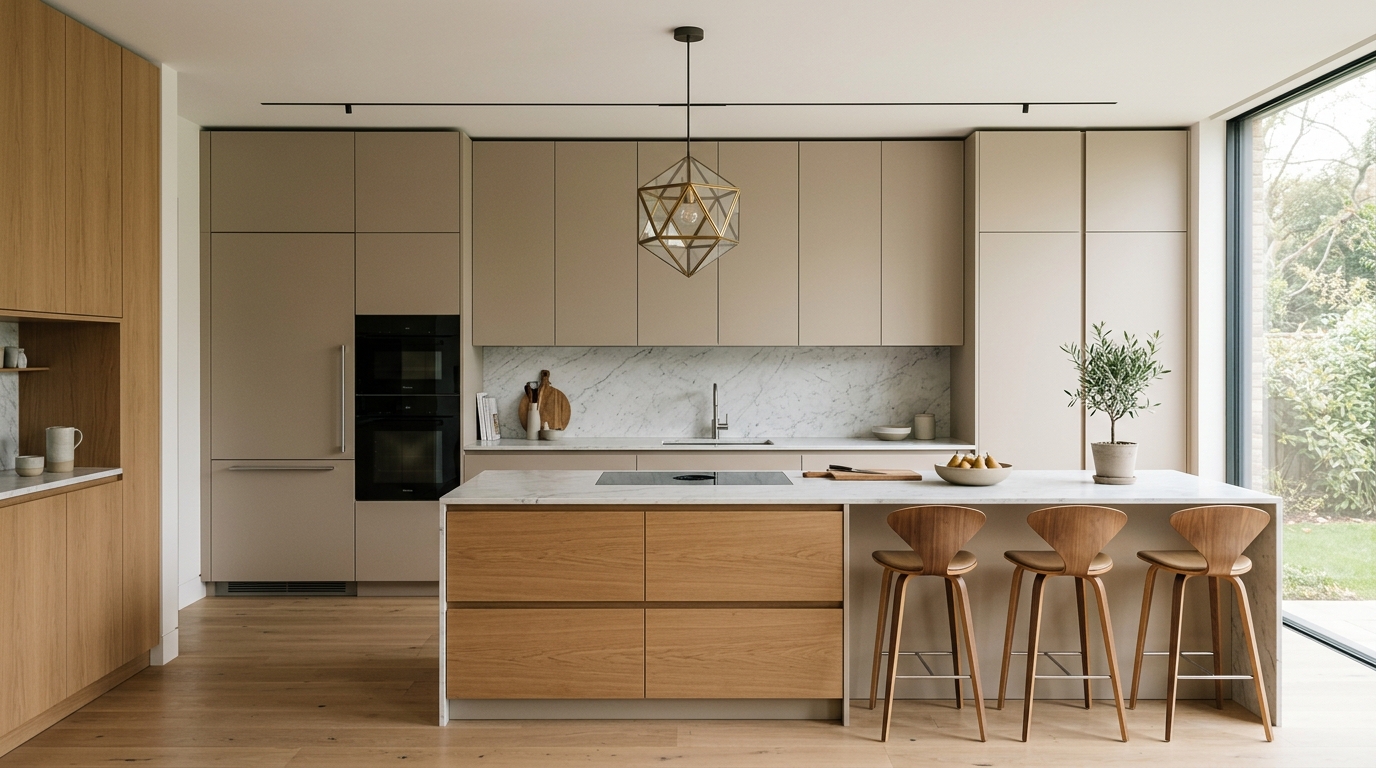
In 2026, the most popular quartz colors in San Jose are soft whites with subtle veining, warm greige tones, and light gray backgrounds. Popular granite choices include white and gray granites with natural movement, as well as dramatic black granites for statement islands.
Resale Value: Which Is Better for Bay Area Homes?
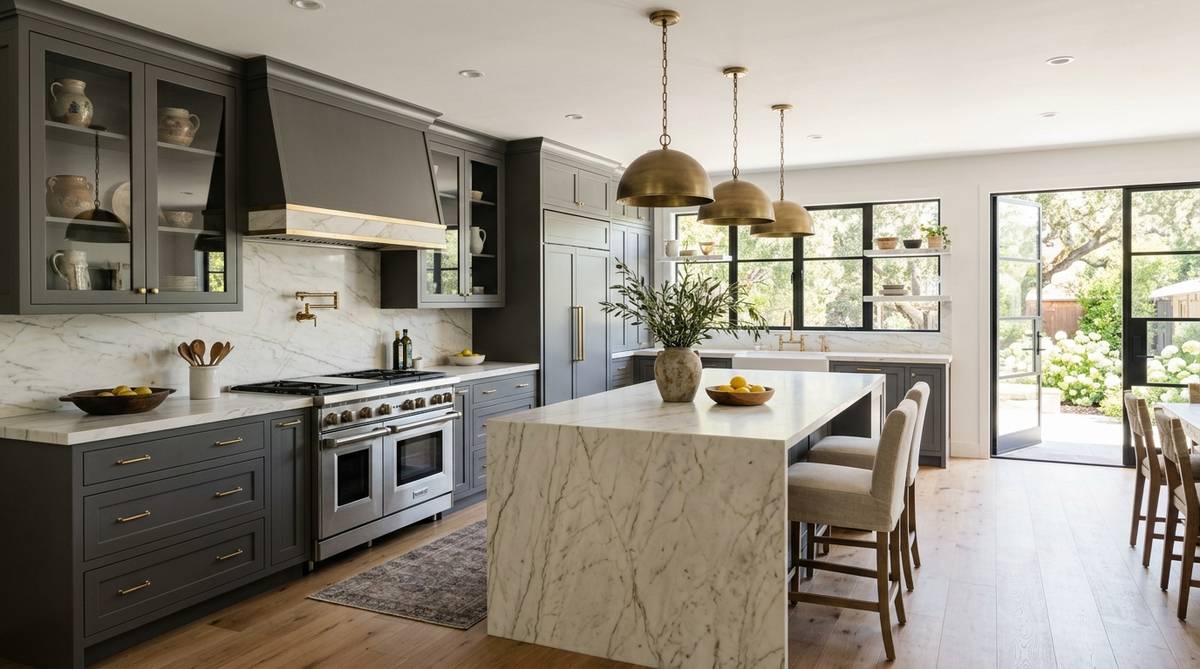
Both quartz and granite are considered premium countertop materials by Bay Area buyers. Neither will hurt your resale value if the selection is current and well-executed. The differences are subtle and market-dependent.
In most San Jose neighborhoods, quartz delivers strong resale appeal because buyers value the low-maintenance, move-in-ready quality it signals. A kitchen with clean quartz countertops, updated cabinets, and coordinated hardware reads as complete and well-maintained.
Granite can match or exceed quartz resale performance in higher-end Bay Area homes where natural materials are common throughout the property. A premium granite island in a luxury kitchen with custom cabinetry and professional appliances can be a genuine selling point.
The practical takeaway: choose the material that fits your use pattern and design goals, then make sure the selection matches the overall quality level of your kitchen renovation. Countertops alone do not carry value. Layout function, cabinet quality, lighting, and workmanship all shape buyer perception in San Jose.
Which Should You Choose?
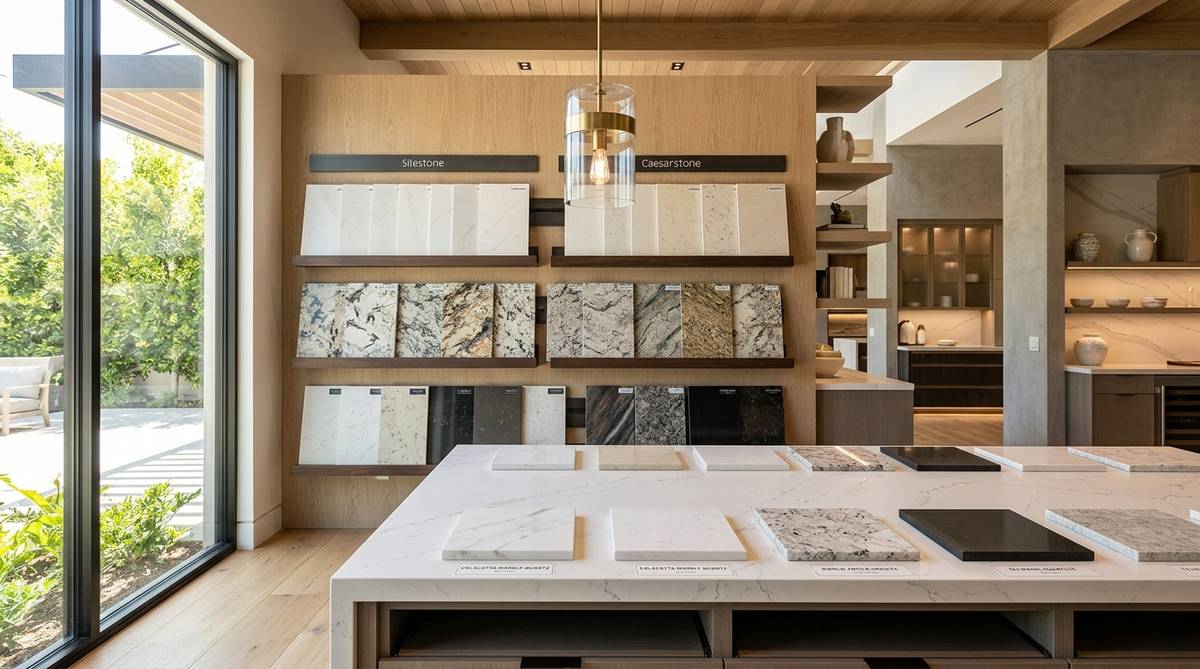
Choose quartz if:
- Low maintenance is a priority for your household
- You want consistent color and pattern across a long countertop run
- Your kitchen has a modern or transitional design aesthetic
- You have young children or a busy cooking schedule
- You want predictable pricing and availability
Choose granite if:
- You love the unique character of natural stone
- You cook with high heat frequently and want direct-heat tolerance
- Your kitchen has a traditional or luxury design aesthetic
- You are planning an outdoor kitchen or bar area
- You want a truly one-of-a-kind slab
For most San Jose homeowners doing a mid-range kitchen renovation, quartz is the more practical choice. For luxury renovations and homeowners who specifically want natural stone, granite remains an excellent option.
To see how countertop selection fits into your overall kitchen budget, visit our kitchen remodeling services or explore backsplash coordination ideas in our kitchen backsplash ideas guide. When you are ready to plan, contact Maison Remodeling Group at (408) 384-3317 for a scope-first estimate.
Frequently Asked Questions
Is quartz or granite better for kitchen countertops?
Neither is universally better. Quartz is better for low-maintenance households and consistent design. Granite is better for heat-heavy cooking and homeowners who want unique natural stone character. The right choice depends on your priorities.
How much do quartz countertops cost in San Jose?
Quartz countertops cost $50 to $150 per square foot installed in San Jose in 2026, depending on slab tier, edge profile, and fabrication complexity. A standard 30-square-foot kitchen runs $1,500 to $4,500 for quartz.
Does granite need to be sealed?
Yes, most granite benefits from sealing every 1-3 years to prevent staining. Some denser granites require less frequent sealing. Your fabricator can advise on the specific stone you choose and recommend a sealing schedule.
Which countertop material is more durable?
Both quartz and granite are highly durable and can last 20-30+ years with proper care. Granite handles direct heat better; quartz offers more consistent performance across the surface. For most kitchen uses, durability is not a meaningful differentiator between the two materials.
What countertop material is best for resale value in San Jose?
Both quartz and granite are considered premium materials by Bay Area buyers. Quartz tends to perform slightly better in mid-range neighborhoods because buyers value its low-maintenance profile. Granite can match or exceed quartz in luxury homes where natural materials are expected throughout the property.