Energy efficient home upgrades are one of the few home improvement categories where the investment genuinely pays you back. The right combination of insulation, windows, HVAC, and water heating can cut a Bay Area utility bill by 20% to 40% annually, and California's rebate programs make the upfront cost significantly lower than most homeowners expect.
The challenge is knowing which upgrades deliver real returns and which ones sound good on paper but take decades to pay off. This guide focuses on the upgrades that make financial sense for Bay Area homeowners, how to stack rebates to reduce out-of-pocket costs, and how to bundle energy improvements into a remodel project so you are not paying twice for the same work.
Maison Remodeling Group handles whole-home remodeling and exterior remodeling throughout San Jose and the South Bay. We regularly help homeowners integrate energy upgrades into larger remodel scopes, which is almost always the most cost-effective approach.
Why Bay Area Homes Are Especially Good Candidates for Energy Upgrades
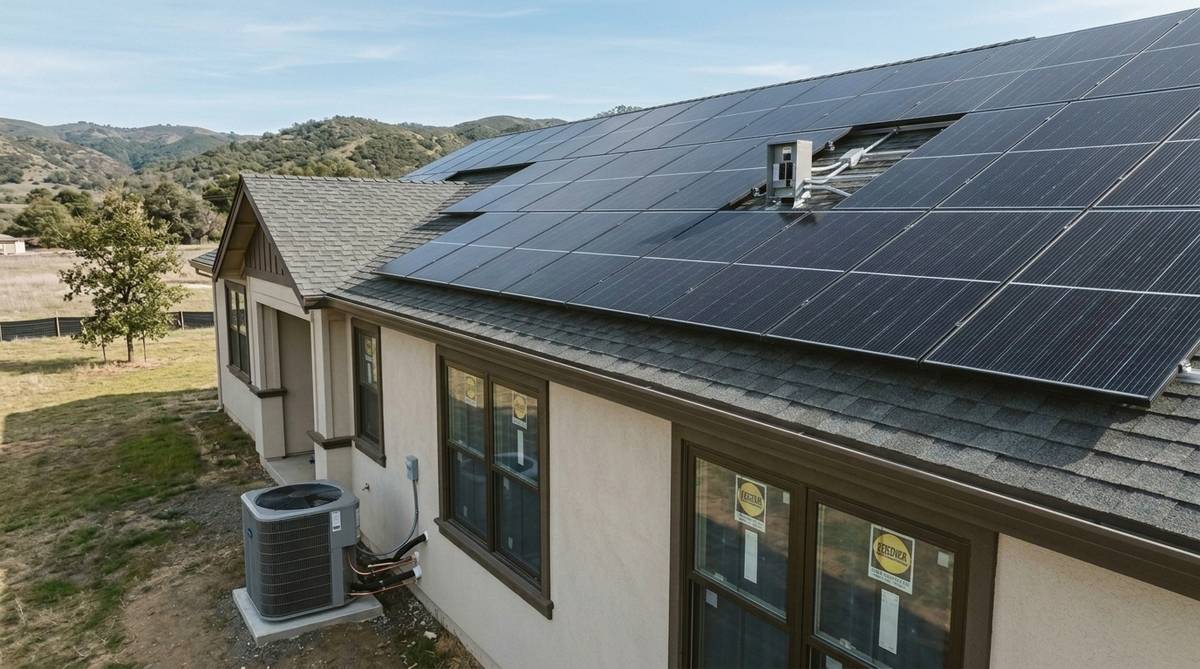
The Bay Area's mild climate creates a counterintuitive situation: homes here are often less energy-efficient than homes in harsher climates, because builders historically did not need to insulate or seal them as carefully. A 1960s ranch home in San Jose was built for a climate where heating and cooling demands were modest. That same home today, with modern appliances and higher comfort expectations, often leaks conditioned air at a rate that would be unacceptable in Minnesota or Texas.
The result is that Bay Area homes frequently have significant low-hanging fruit for energy efficiency. Attic insulation that is decades old and compressed to half its rated R-value. Single-pane aluminum windows that transfer heat freely. Forced-air systems with ducts running through unconditioned attic space, losing 20% to 30% of their output before it reaches the living area.
PG&E rates in the Bay Area are among the highest in the country, which means every unit of energy saved is worth more here than almost anywhere else in the United States. That math makes energy upgrades more financially attractive in Silicon Valley than in most other markets.
Attic Insulation: The Highest-ROI Upgrade
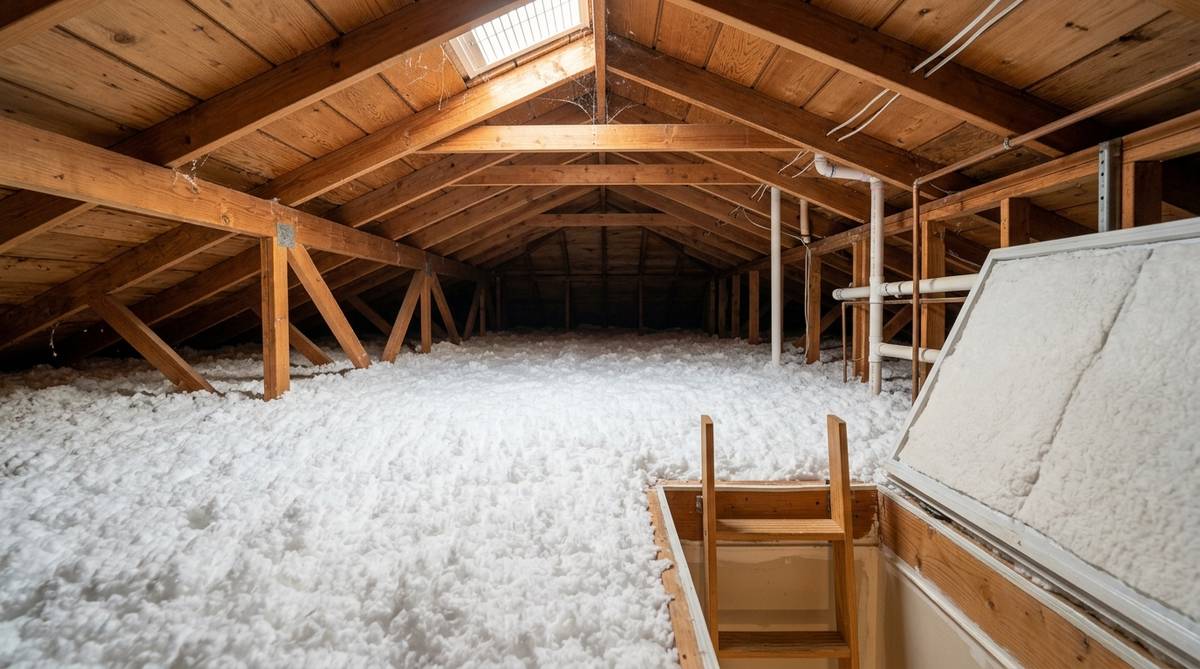
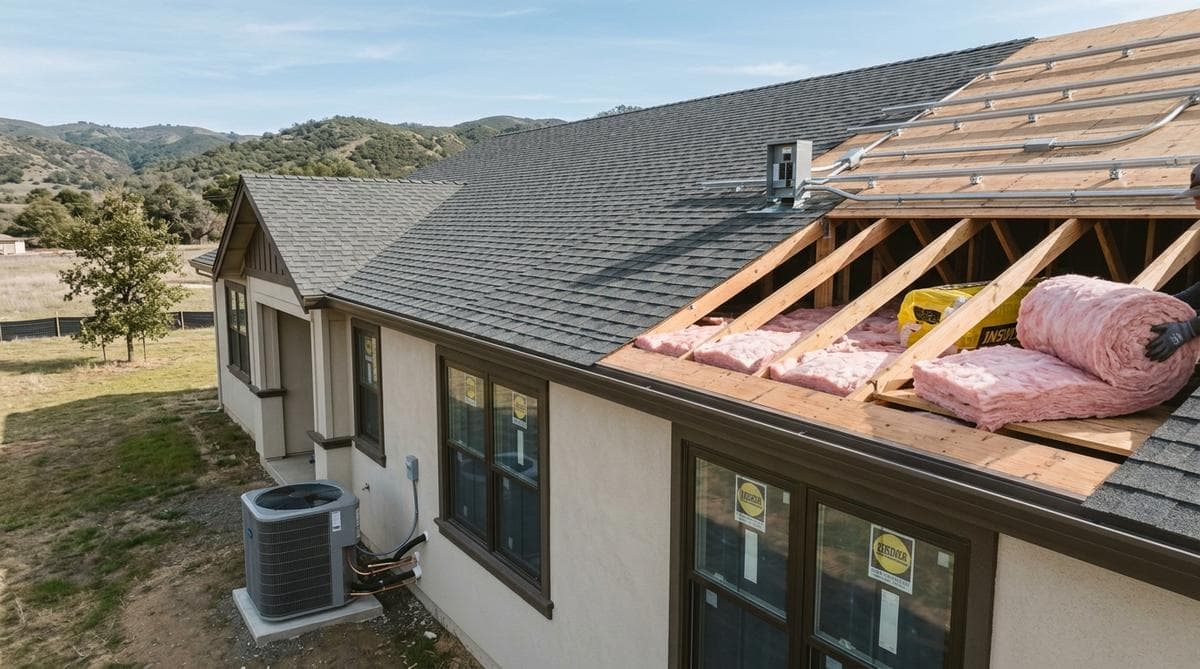
Attic insulation is consistently the best-returning energy upgrade for Bay Area homes. The reason is simple: heat rises, and an under-insulated attic is where most conditioned air escapes in winter and where most heat enters in summer.
California's Title 24 energy code requires R-38 insulation in attics for new construction and major remodels. Many older Bay Area homes have R-11 or R-19, and some have compressed fiberglass batts that are performing at R-8 or less.
Typical cost: $1,500 to $4,000 for a standard single-family home attic, depending on square footage and current insulation condition.
Typical annual savings: $200 to $600 per year in reduced heating and cooling costs.
Payback period: 3 to 8 years before rebates, often 2 to 5 years after BayREN or PG&E rebates.
BayREN (Bay Area Regional Energy Network) offers rebates for attic insulation upgrades through its Home+ program. Rebate amounts vary by project and income level, but $500 to $1,500 in rebates is common for qualifying attic insulation projects.
Window Replacement: When It Makes Sense
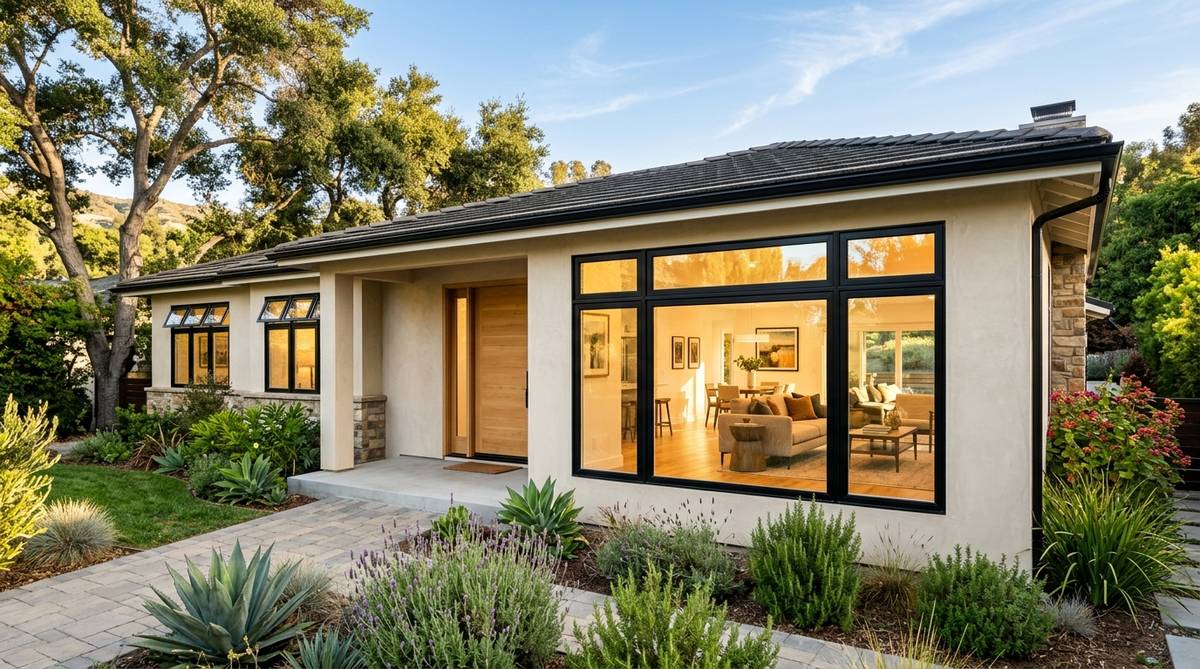
Window replacement is often oversold as an energy upgrade. The honest answer is that windows have a long payback period on energy savings alone, typically 15 to 25 years for standard double-pane replacements. The financial case for window replacement is stronger when you factor in comfort improvement, noise reduction, and the fact that you would be replacing the windows anyway as part of a remodel.
Where window replacement makes clear financial sense:
- Single-pane aluminum windows: These are extremely common in Bay Area homes built before 1980. The energy performance gap between single-pane aluminum and modern double-pane vinyl or fiberglass is substantial.
- Windows with failed seals: Double-pane windows with fogged or condensation-filled glass have lost their insulating gas fill and are performing at single-pane levels.
- Windows being replaced as part of a remodel: When you are already opening walls or doing exterior work, the incremental cost of upgrading to high-performance windows is much lower than a standalone replacement project.
Typical cost: $800 to $1,500 per window installed, depending on size and frame material.
Title 24 requirement: When replacing windows in a permitted remodel, California requires the new windows to meet current energy code minimums (U-factor 0.30 or lower in most Bay Area climate zones).
HVAC Upgrades: Heat Pumps Are the Right Move
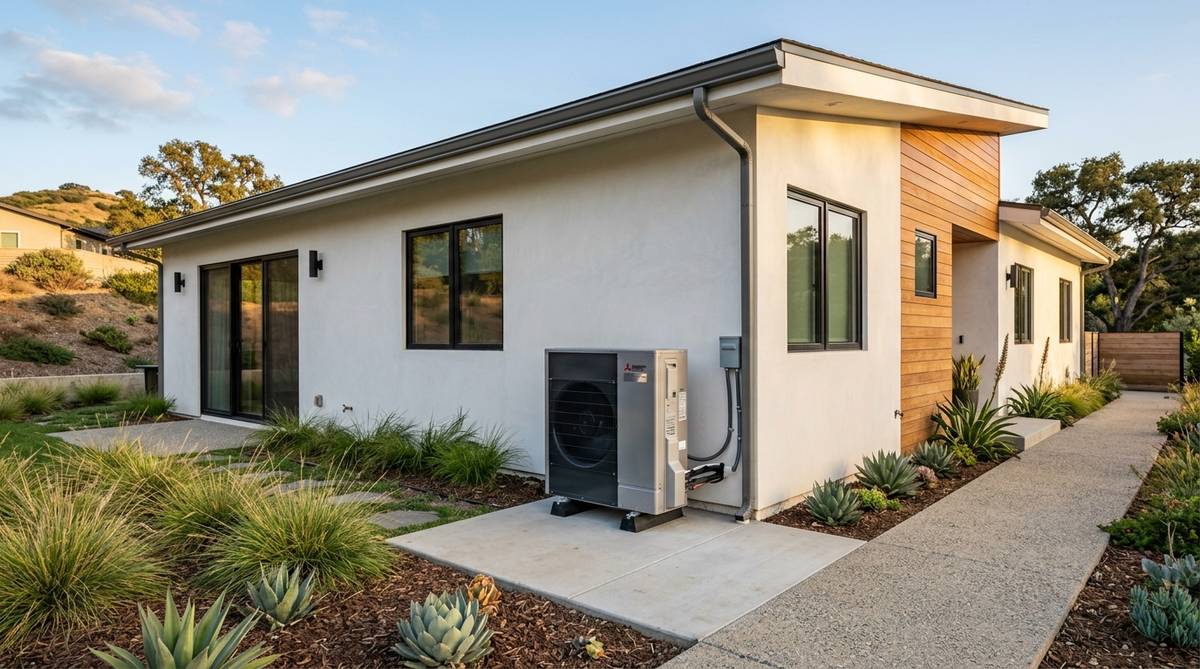
The Bay Area's mild climate makes it an ideal market for heat pump technology. Heat pumps move heat rather than generate it, which makes them 2 to 4 times more efficient than traditional resistance heating. In a climate where you rarely need extreme heating or cooling, a heat pump handles both functions efficiently year-round.
Heat pump replacement for existing forced-air systems: If you have a gas furnace and central air conditioner, replacing both with a heat pump system is the most impactful single HVAC upgrade. Modern heat pumps handle Bay Area temperatures easily and qualify for significant rebates.
Mini-split heat pumps: For homes without existing ductwork, or for additions and ADUs, ductless mini-split systems are the standard choice. They are highly efficient, allow zone control, and avoid the duct losses that plague forced-air systems.
Duct sealing and insulation: If you are keeping your existing forced-air system, having ducts professionally sealed and insulated can recover 20% to 30% of the energy currently lost in attic duct runs. This is a high-ROI upgrade that is often overlooked.
TECH Clean California rebates: California's TECH Clean California program offers rebates of $1,000 to $4,500 for qualifying heat pump installations, depending on system type and contractor certification. These rebates stack with federal tax credits under the Inflation Reduction Act, which offers a 30% tax credit (up to $2,000) for heat pump installations.
Typical cost: $8,000 to $18,000 for a whole-home heat pump system, before rebates. After TECH Clean California and federal tax credits, net cost often drops to $5,000 to $12,000.
Heat Pump Water Heaters: Fast Payback
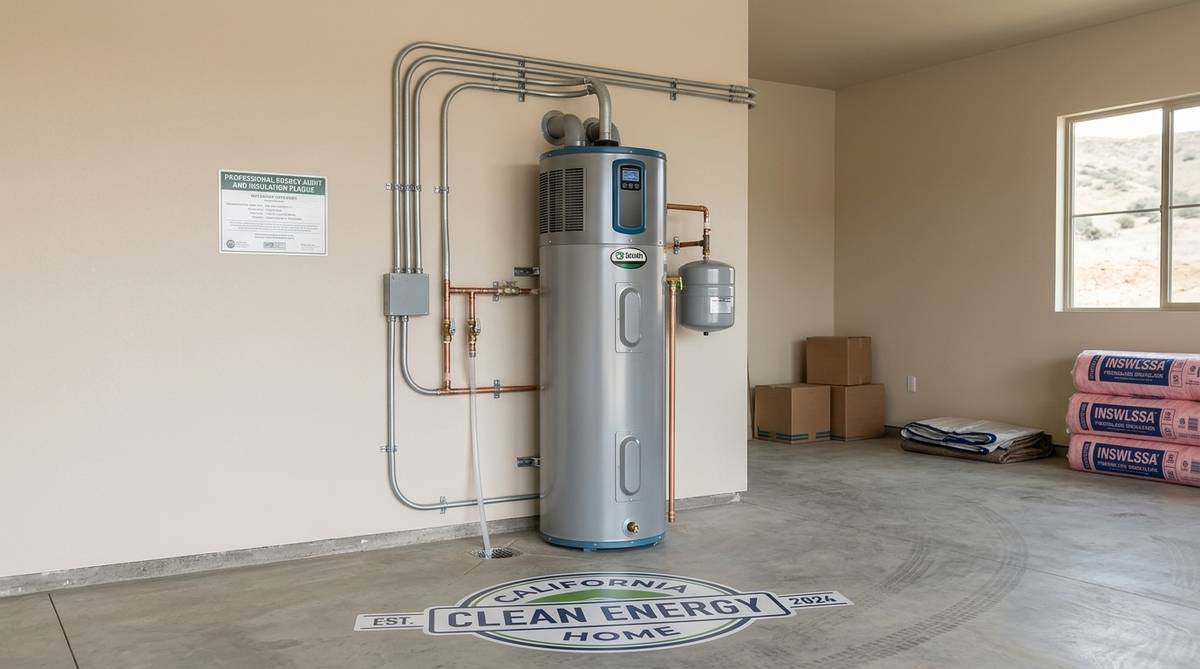
Heat pump water heaters are one of the best-kept secrets in home energy efficiency. They use the same heat-pump technology as HVAC systems to heat water 2 to 3 times more efficiently than standard electric resistance water heaters, and 1.5 to 2 times more efficiently than gas water heaters.
In the Bay Area, where PG&E electricity rates are high but gas rates have also risen significantly, heat pump water heaters often pay back in 4 to 7 years on energy savings alone.
Typical cost: $1,200 to $2,500 installed.
PG&E rebates: PG&E offers rebates of $300 to $1,000 for qualifying heat pump water heater installations. TECH Clean California also offers rebates for heat pump water heaters.
Federal tax credit: The Inflation Reduction Act provides a 30% tax credit (up to $600) for heat pump water heater installations.
Important consideration: Heat pump water heaters work best in spaces with ambient air temperatures above 40 degrees Fahrenheit. Bay Area garages and utility rooms are generally suitable year-round.
Smart Thermostats: Low Cost, Meaningful Savings
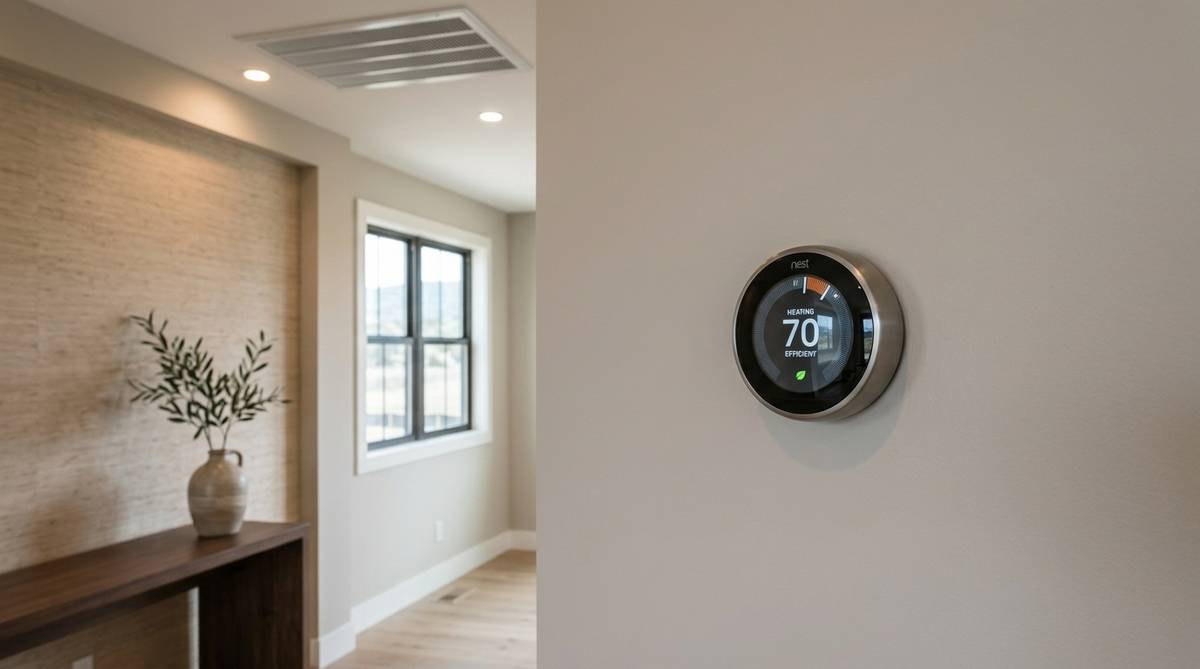
Smart thermostats are the lowest-cost energy upgrade with a meaningful return. A Nest, Ecobee, or similar smart thermostat costs $150 to $300 installed and can reduce HVAC energy use by 10% to 15% through better scheduling and occupancy sensing.
PG&E offers rebates of $75 to $150 for qualifying smart thermostat installations. The payback period, even without rebates, is typically 1 to 2 years.
Smart thermostats also integrate with PG&E's demand response programs, which pay homeowners to reduce energy use during peak grid demand periods. Enrollment is free and can generate $50 to $150 per year in additional savings.
LED Lighting: Already Done for Most Homeowners
If your home still has incandescent or halogen lighting, switching to LED is a no-brainer with a payback period under 2 years. Most Bay Area homeowners have already made this switch, but older recessed lighting fixtures and specialty bulbs are common holdouts.
When remodeling, specify LED fixtures throughout. The incremental cost over incandescent fixtures is minimal, and the long-term energy savings are significant.
Solar Prep During a Remodel
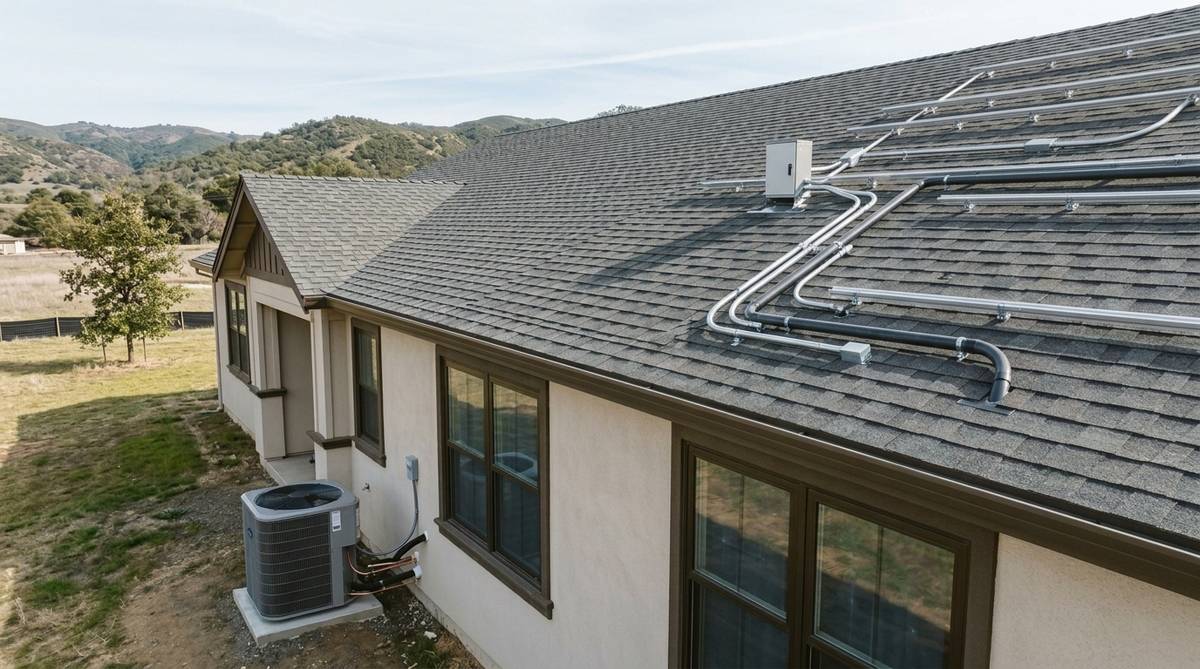
If you are planning a major remodel and do not yet have solar, this is the time to at least prepare for it. Solar prep during a remodel costs very little, typically $500 to $1,500 for conduit runs and panel space reservation, and avoids the much higher cost of retrofitting solar infrastructure after the remodel is complete.
California's NEM 3.0 net metering policy changed the economics of solar in 2023, reducing the value of exported power. Battery storage paired with solar now makes more financial sense than solar alone for most Bay Area homeowners. If you are considering solar, plan for battery storage from the start.
How to Bundle Energy Upgrades Into a Remodel
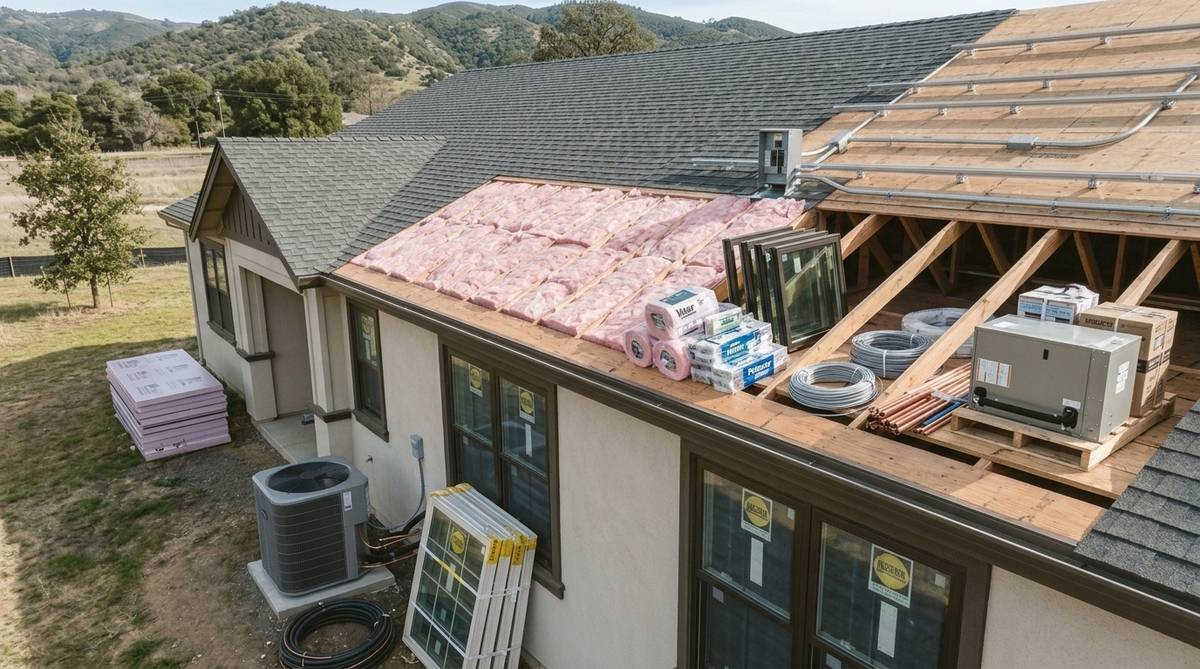
The most cost-effective approach to energy upgrades is bundling them with a remodel project you are already planning. Here is why:
- Shared labor costs: When walls are already open for a kitchen or bathroom remodel, adding insulation or electrical upgrades costs a fraction of what standalone work would cost.
- Permit efficiency: A single permit can cover multiple scopes, reducing fees and inspection coordination.
- Rebate stacking: Many rebate programs allow you to claim multiple upgrades in a single project.
- Title 24 compliance: Permitted remodels in California trigger Title 24 energy compliance requirements. Meeting those requirements while also pursuing rebate-eligible upgrades is more efficient than treating them as separate projects.
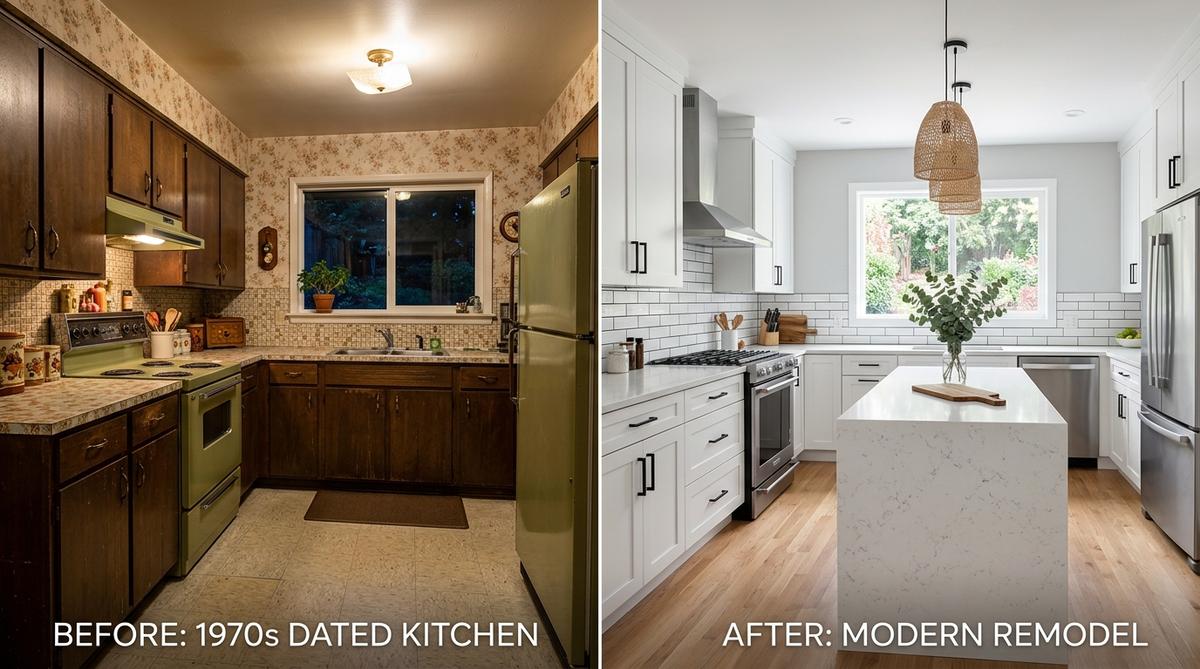
For example, a kitchen remodel that opens exterior walls is an ideal time to add wall insulation. A bathroom remodel that requires new electrical is a good time to add a heat pump water heater circuit. An exterior remodel that replaces siding is the right moment to add continuous exterior insulation.
See our home remodeling ideas guide for more on how to scope a remodel that maximizes both function and energy performance. When you are ready to plan your project, our process explains how we approach scope development and energy integration.
Bay Area Rebate Programs Summary
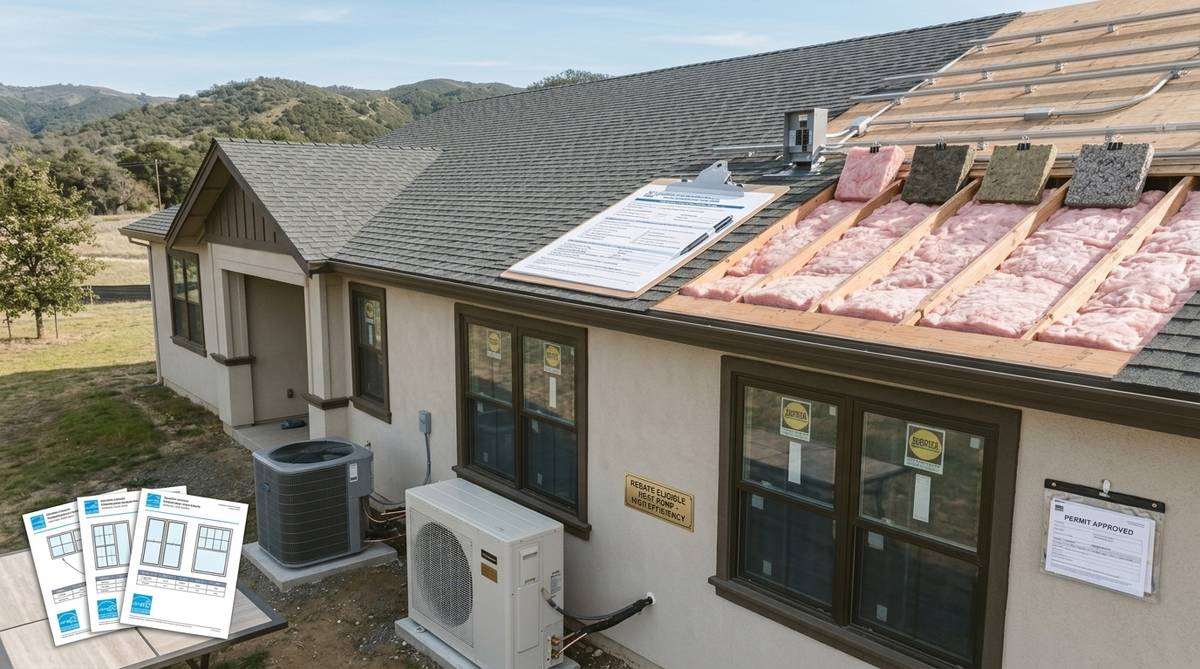
| Program | What It Covers | Typical Rebate |
|---|
| BayREN Home+ | Insulation, air sealing, windows | $500-$3,000+ |
| PG&E Energy Upgrade California | HVAC, water heating, smart thermostats | $300-$2,000 |
| TECH Clean California | Heat pumps, heat pump water heaters | $1,000-$4,500 |
| Federal IRA Tax Credits | Heat pumps, water heaters, insulation, windows | 30% of cost, up to $3,200/year |
Rebate programs change frequently. Always verify current availability and amounts directly with the program before budgeting.
Ready to start? Contact Maison Remodeling at (408) 384-3317 or visit our contact page to schedule a consultation.
Frequently Asked Questions
What energy efficient home upgrades have the fastest payback in the Bay Area?
Attic insulation and smart thermostats have the fastest payback periods, typically 2 to 5 years after rebates. Heat pump water heaters pay back in 4 to 7 years. Window replacement has the longest payback on energy savings alone, but makes sense when bundled with a remodel or when replacing failed single-pane windows.
What rebates are available for energy upgrades in San Jose?
San Jose homeowners can access BayREN Home+ rebates for insulation and air sealing, PG&E rebates for HVAC and water heating upgrades, TECH Clean California rebates for heat pumps, and federal Inflation Reduction Act tax credits for a range of upgrades. Stacking multiple programs on a single project is allowed and can significantly reduce out-of-pocket costs.
Does California require energy upgrades when I remodel?
Yes. Permitted remodels in California trigger Title 24 energy code compliance requirements for the work being done. This typically means new windows must meet minimum U-factor requirements, new HVAC equipment must meet efficiency minimums, and insulation must meet current R-value requirements in areas being opened. Working with a contractor familiar with Title 24 compliance avoids surprises during permit review.
Is a heat pump worth it in the Bay Area's mild climate?
Yes. The Bay Area's mild climate is actually ideal for heat pumps, which are most efficient in moderate temperature ranges. Heat pumps handle Bay Area heating and cooling loads easily, and the combination of TECH Clean California rebates and federal tax credits makes the economics compelling. Most Bay Area homeowners who switch to heat pumps see meaningful reductions in both energy use and utility bills.
How do I know which energy upgrades to prioritize?
Start with a home energy assessment. BayREN offers subsidized home energy assessments for Bay Area homeowners that identify the highest-impact upgrades for your specific home. The assessment typically costs $100 to $200 after rebates and gives you a prioritized list of improvements with estimated savings and payback periods.