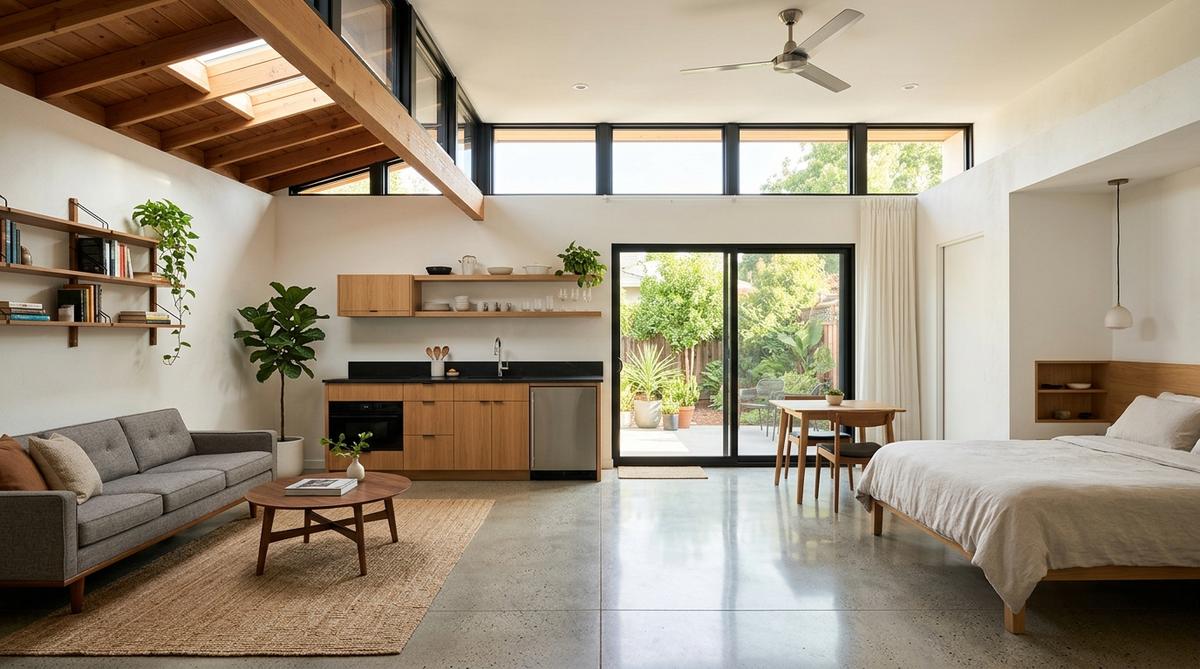
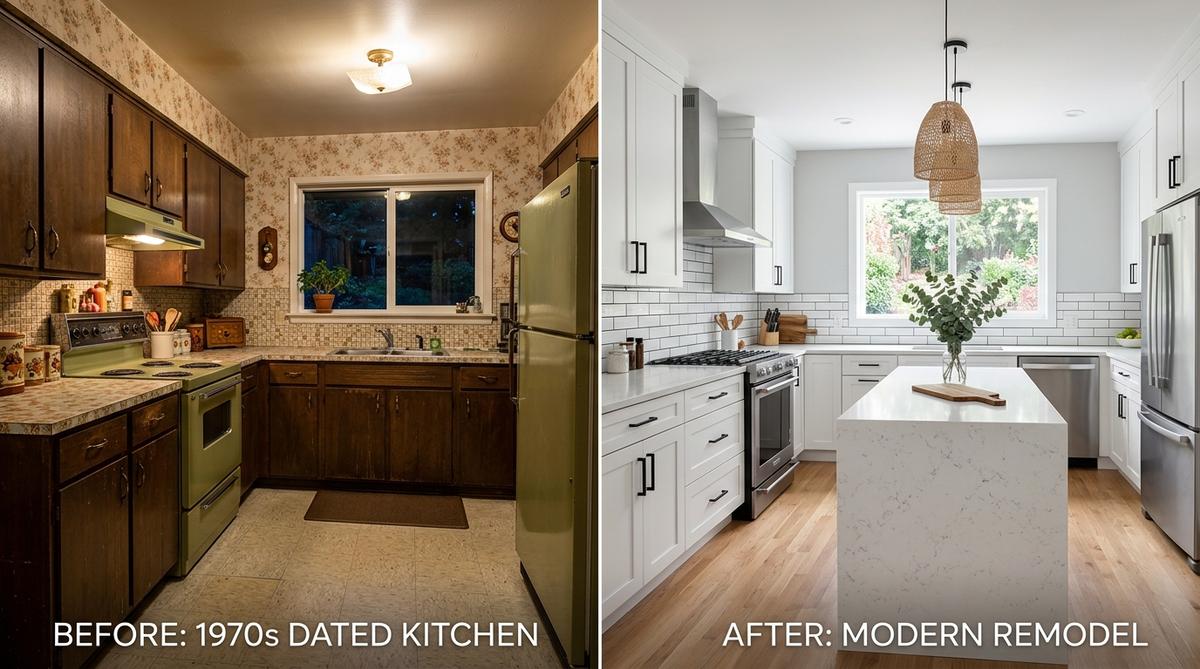
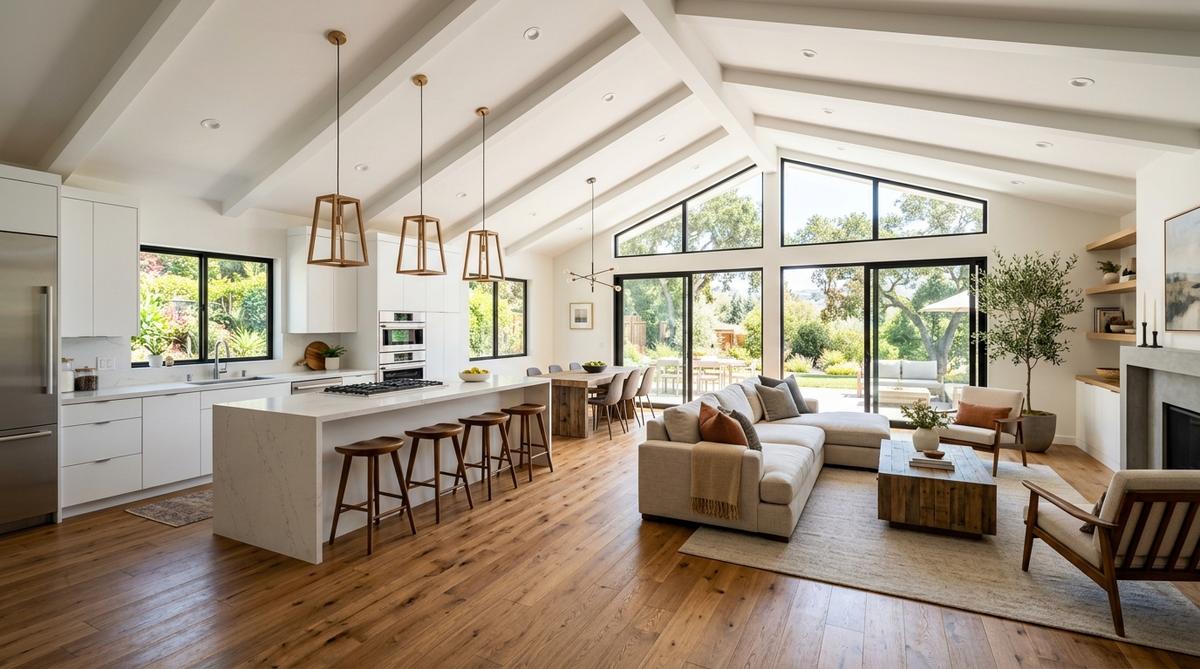
The best home remodeling ideas in 2026 are not just about trends. They are about making your home work better for the way Bay Area families actually live: hybrid work, multigenerational households, higher energy costs, and the need for flexible indoor-outdoor space. In San Jose, remodeling is often the smartest move because inventory is tight and existing homes can be transformed dramatically with the right design-build plan.
In this guide, we cover high-impact house remodel ideas room by room, plus practical planning around cost, permitting, and return on investment. You will also see where Bay Area pricing differs from national averages, why seismic and code upgrades matter, and how to sequence projects without losing momentum.
If you want project-level pricing first, review our home remodeling cost guide. For kitchen and bath specifics, compare kitchen remodel costs in San Jose and bathroom remodel costs in San Jose, then map priorities against whole-home remodeling.
📋 Key Takeaways
- Home remodeling ideas that prioritize kitchens, bathrooms, and functionality-first layouts usually align with where homeowners spend most renovation budgets (HomeAdvisor; Houzz).
- For San Jose planning, HomeAdvisor cost ranges are a baseline only; local labor, permitting, and logistics are why Bay Area totals often run higher for the same home remodeling ideas (HomeAdvisor).
- NKBA trend reporting supports investing in storage, workflow, and durable surfaces because these choices improve both daily use and long-term kitchen performance (NKBA).
- NAHB design and remodeling trends continue to favor flexible spaces such as home offices and multigenerational zones, making adaptability a core filter for home remodeling ideas (NAHB).
- Houzz homeowner behavior data consistently shows renovation projects perform best when design decisions are sequenced early, so finalize scope and material priorities before construction starts (Houzz).
Top Home Remodeling Ideas by Priority in 2026
Across San Jose, Santa Clara, and the larger Silicon Valley market, the most successful projects balance design appeal with daily utility. These are the remodel categories we recommend evaluating first:
- Kitchen modernization and open floor plan integration
- Bathroom upgrades focused on storage and low maintenance
- Home office conversions with acoustics and built-in storage
- Indoor-outdoor living transitions for Bay Area climate
- Energy efficiency and smart-home system upgrades
- Seismic retrofits and code-driven structural updates
- ADU planning for family flexibility or rental potential
| Project Type | Typical Bay Area Cost Range |
|---|
| Kitchen remodel | $45,000 - $150,000+ |
| Bathroom remodel | $18,000 - $55,000+ |
| Whole-house remodel | $150 - $400 / sq ft |
| ADU addition | $190,000 - $420,000+ |
For homeowners planning major updates in San Jose, Fremont, or Milpitas, the best-performing strategy is to pair ROI-focused core work with one or two statement upgrades. For example, you might combine efficient kitchen/bath modernization with a standout indoor-outdoor transition or custom office suite. This keeps your investment practical while still delivering the "wow" experience buyers and guests remember.
These ranges are generally 20% to 40% above national averages. Labor, permit administration, and logistics in the Bay Area drive this difference, especially in cities like San Jose, Mountain View, and Palo Alto.
💡 Pro Tip
When planning whole house remodel ideas, lock your sequence first: structure and systems, then layout changes, then finishes. This prevents costly rework and trade conflicts.
Room-by-Room Home Renovation Ideas That Add Real Value
The highest-performing remodels in Silicon Valley are usually balanced across primary living zones rather than concentrated in one room.
| Space | High-Impact Upgrade | Typical ROI Direction |
|---|
| Kitchen | Layout optimization + durable cabinetry | Strong |
| Bathrooms | Storage + ventilation + easy-clean finishes | Strong |
| Living / dining | Open flow + integrated lighting | Moderate to strong |
| Bedrooms / office | Built-ins + acoustic/privacy planning | Moderate |
| Outdoor areas | Covered patio + seamless flooring transition | Moderate |
| Structural systems | Seismic and electrical modernization | Protection value |
Projects we prioritize for Bay Area families
We typically start with kitchen and bathroom function, then evaluate living-area flow, then add strategic upgrades like home office zones and outdoor entertaining. This sequencing keeps whole home remodel goals realistic while preserving design cohesion, especially when paired with early planning around exterior home renovation and long-term energy-efficient home upgrades.
For room-specific planning details, see our kitchen remodel timeline, return on investment for kitchen remodels, and small bathroom remodel ideas resources.
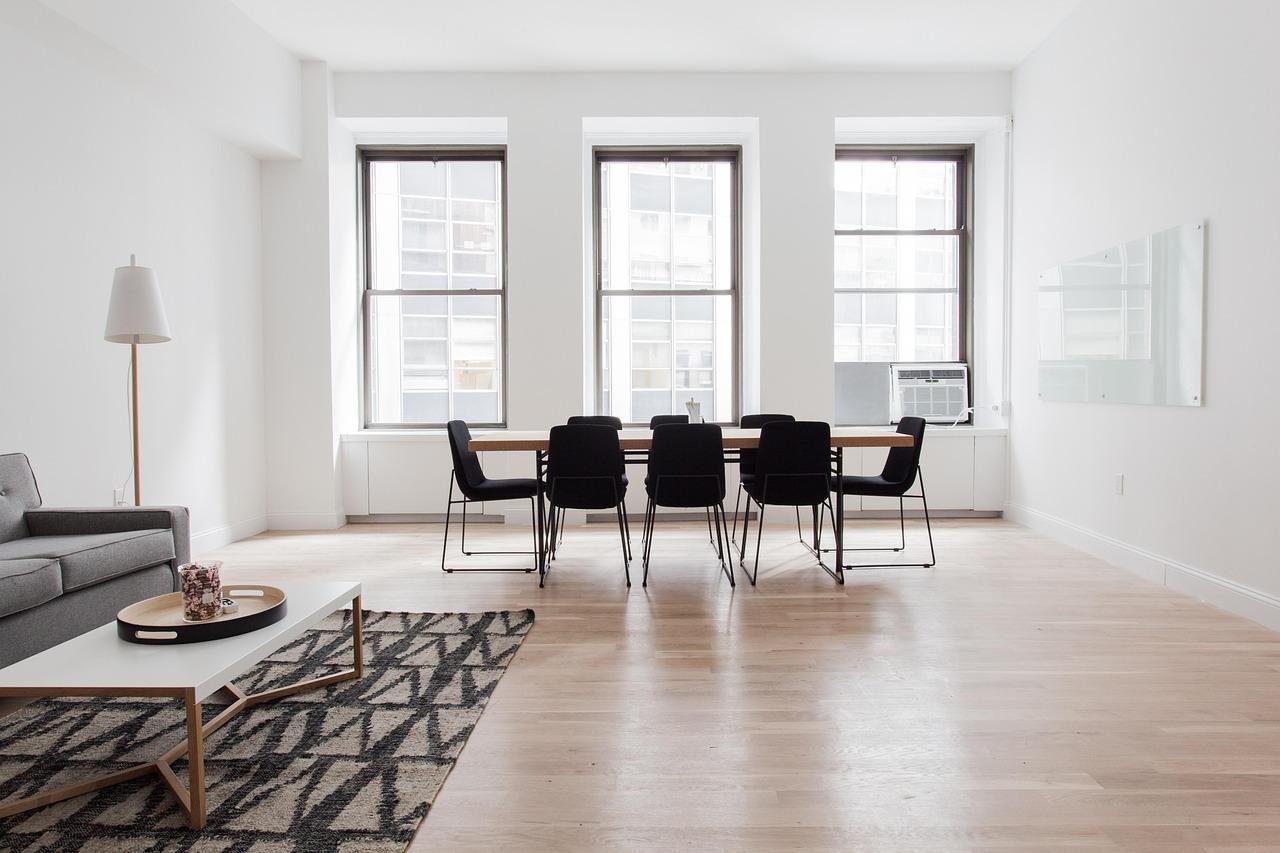
Open Floor Plans, Home Offices, and Indoor-Outdoor Living
In 2026, these three design directions continue to dominate Bay Area remodeling inspiration because they directly support lifestyle and property value.
- Open floor conversions: Remove non-structural barriers and improve sightlines between kitchen, dining, and living areas.
- Home office additions: Prioritize acoustics, built-in storage, and task lighting for hybrid work.
- Indoor-outdoor transitions: Use multi-panel doors, level thresholds, and durable flooring continuity.
- Multigenerational planning: Add flexible rooms that can function as guest suites, offices, or caregiver spaces.
- Tech-friendly infrastructure: Prewire for robust networking, security, and smart control systems.
In neighborhoods like Almaden Valley, Cambrian, and Los Altos, these improvements often deliver the biggest quality-of-life gains without changing lot coverage, especially when they are bundled into whole-home remodeling. If you are still comparing team structures before a major project, our guide to finding a general contractor in San Jose can help you evaluate fit and process.
Energy Efficiency, Smart Systems, and Seismic Upgrades
A modern whole house remodel in the Bay Area should address systems, not just surfaces. Energy and resilience upgrades often reduce long-term operating cost while improving comfort and safety.
Typical priorities include insulation improvements, high-efficiency HVAC, heat-pump water heaters, panel upgrades, smart lighting controls, leak sensors, and targeted seismic reinforcement where required.
System upgrades we recommend early in planning
- Electrical panel capacity assessment before design lock
- Envelope and insulation review for comfort and efficiency
- HVAC zoning strategy for remodeled areas
- Seismic tie-down and bracing review for older structures
For code and standards context, homeowners often review resources from NARI before finalizing scope decisions.
💡 Pro Tip
If you are opening walls for layout changes, bundle electrical, plumbing, and seismic corrections in the same phase. This reduces rework and inspection delays.
ADU and Multigenerational Living: Long-Term Home Improvement Ideas
One of the fastest-growing home improvement ideas in San Jose is adding flexible living space through ADUs or conversion-ready plans. Families use these spaces for parents, adult children, remote work, or rental income.
ADU planning checkpoints
- Zoning and setbacks: Confirm lot constraints before design.
- Utility strategy: Plan sewer, water, and electrical integration early.
- Privacy and access: Align unit orientation with primary home circulation.
- Use-case clarity: Decide family suite vs rental unit from day one.
Learn more in our ADU costs in California and ADU building guide, or explore our ADU construction services.
Whole-House Remodel Planning Timeline
Major home remodeling inspiration is exciting, but execution depends on disciplined scheduling. A clear sequence protects budget, quality, and move-in targets, and that is exactly what our process is designed to manage.
| Phase | Duration |
|---|
| Discovery, design, and selections | 4-8 weeks |
| Permit and engineering phase | 4-10 weeks |
| Demolition and rough systems | 2-5 weeks |
| Build, finishes, inspections | 10-24 weeks |
| Typical total range | 5-10 months |
Homeowners in Cupertino, Sunnyvale, and Saratoga often underestimate permit and engineering durations. Building this time into your baseline schedule avoids false start-stop construction windows.
Return on investment always depends on scope quality and neighborhood expectations, but in most Silicon Valley homes we see consistent performance patterns. Functional upgrades with broad appeal generally outperform highly specialized luxury choices.
| Project Category | Typical Resale Strength | Why It Performs |
|---|
| Kitchen updates | High | Visible daily-use value and strong buyer attention |
| Bathroom remodels | High | Comfort, storage, and maintenance improvements |
| Energy and system upgrades | Moderate to high | Lower operating costs and improved home reliability |
| ADU additions | Variable but strong upside | Flexible use and potential rental income |
Frequently Asked Questions
What are the best home remodeling ideas for San Jose homes in 2026?
Prioritize function-first upgrades: kitchen and bath usability, open common areas, and flexible office/guest zones. Pair these with resilient systems and efficient materials for long-term value.
How much does a whole house remodel cost in the Bay Area?
Most Bay Area projects fall between $150 and $400 per square foot depending on complexity. Homes requiring structural and systems work trend toward the higher end.
Which remodeling projects usually deliver the strongest ROI in Silicon Valley?
Kitchen and bathroom modernization, layout efficiency, and energy upgrades consistently perform well. Practical improvements typically outrank highly specialized luxury features.
Should I remodel in phases or do a full-home renovation at once?
Phased projects work well for occupied homes and budget control. Full-home execution is often faster overall and can reduce duplicated labor when multiple systems are being updated.
Are earthquake retrofitting and ADU additions worth including in a remodel plan?
In many Bay Area cases, yes. Seismic work protects long-term safety and value, while ADUs add flexibility for family use or rental income depending on your goals. When you are ready to move from inspiration to execution, we recommend a scope-first workshop with documented assumptions, allowance ranges, and timeline checkpoints. That level of planning is what keeps complex Bay Area remodeling projects predictable from first design meeting through final inspection.