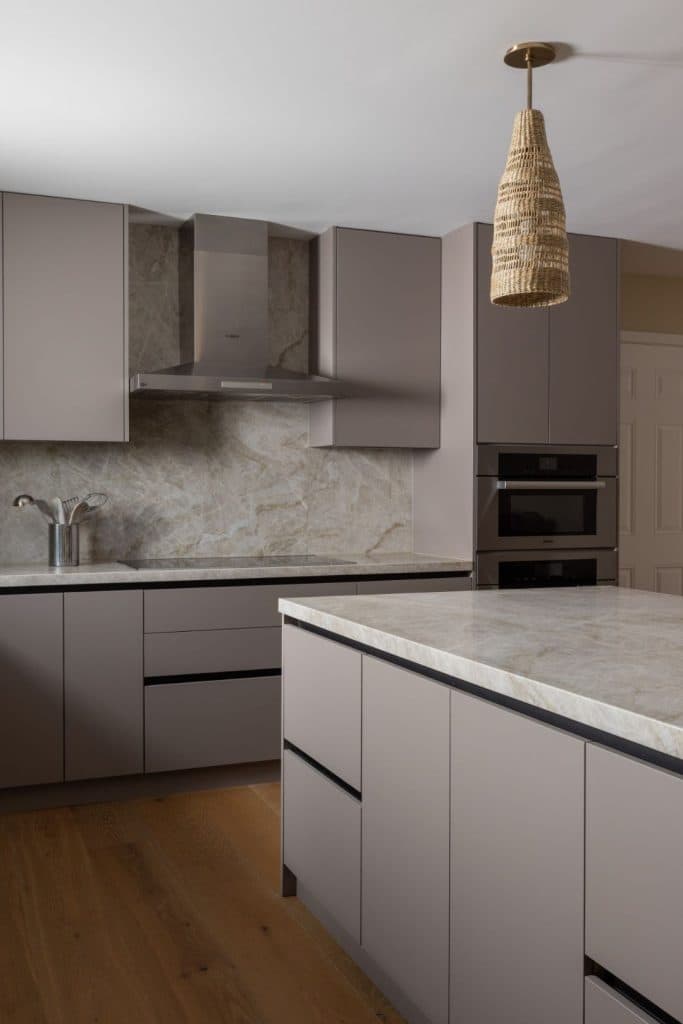
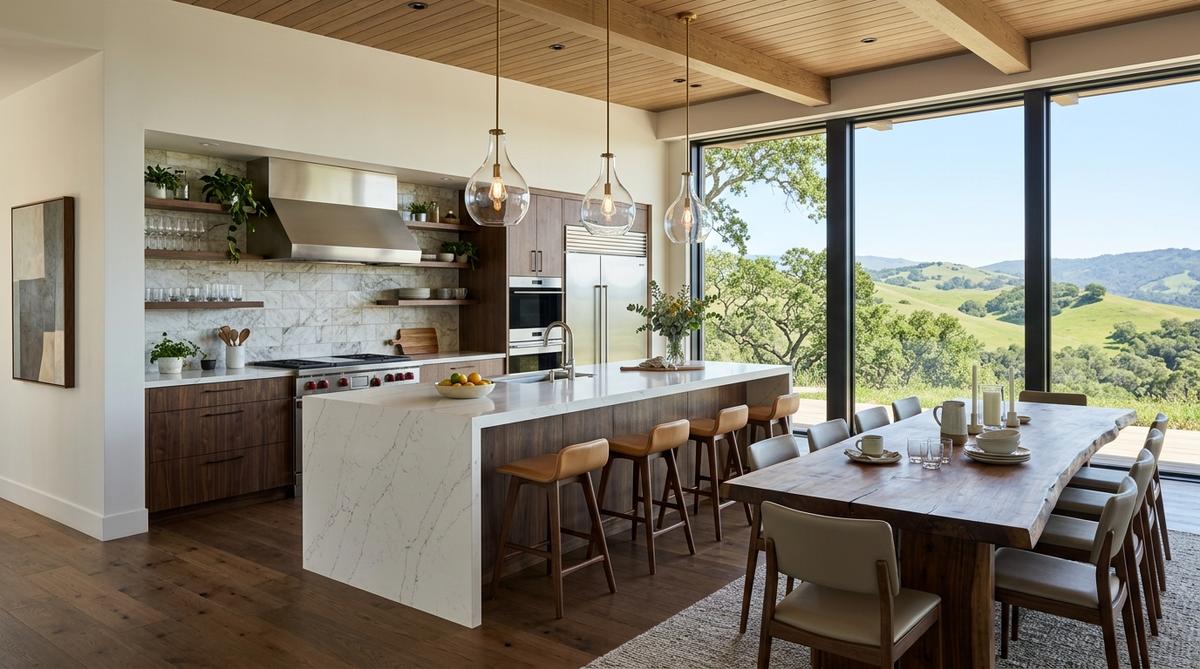
With kitchen remodels in San Jose averaging $55,000 to $85,000 in 2026, most Bay Area homeowners need financing. The good news: with median home equity exceeding $800,000 in San Jose, you likely have multiple low-cost options - if you know where to look.
Search interest for kitchen remodel financing keeps rising because homeowners are trying to protect cash flow while still upgrading one of the most valuable rooms in the house. If you are asking how to pay for kitchen remodel work without overextending your monthly budget, this guide lays out practical options for San Jose and Bay Area properties in clear terms.
We will compare HELOCs, home equity loans, cash-out refinancing, personal loans, 0% credit cards, contractor financing, and FHA 203(k) loans. You will also see which financing route tends to fit each budget level, which red flags to avoid, and how to structure funding around real project milestones. For scope-specific project planning, review our kitchen remodeling service page, our remodeling cost guide, and request pricing through our contact form.
📋 Key Takeaways
- ✓ According to HUD's FHA Title I program, home improvement loans for single-family properties are capped at $25,000, which makes this kitchen remodel financing path best for smaller scopes.
- ✓ Per the Consumer Financial Protection Bureau, most HELOCs use variable rates with a draw period and a repayment period, so payment stress testing should be part of kitchen remodel financing planning.
- ✓ According to published HELOC standards from major banks and credit unions, combined loan-to-value is often capped around 80% to 85% and minimum credit thresholds commonly apply.
- ✓ Per HomeAdvisor, kitchen remodel projects frequently fall in the mid-five-figure range, which is why staged draws and contingency reserves matter as much as headline rates.
- ✓ According to IRS Publication 936, home equity interest is generally deductible only when funds substantially improve the secured home, so tax assumptions in kitchen remodel financing should be validated before closing.
Kitchen Remodel Financing Options Compared
Financing is not just about interest rate. In San Jose and the Bay Area, the best option depends on draw timing, repayment flexibility, closing costs, and how long you plan to stay in the home.
| Option | Typical Rates/Terms | Pros | Cons |
|---|
| HELOC | Variable rate, draw period + repayment period | Flexible draws, lower rates than unsecured debt | Rate can rise, payment uncertainty |
| Home Equity Loan | Fixed rate, fixed term | Predictable monthly payment, lump sum funding | Less flexible if scope changes |
| Cash-out Refinance | New mortgage, often 15-30 years | Can consolidate debt and fund large remodels | Resets first mortgage terms and fees |
| Personal Loan | Fixed rate, usually 2-7 years | Fast funding, no home collateral | Higher rates, lower loan limits |
| 0% Credit Card (short term) | Promo APR window, then standard APR | Useful for short-term material purchases | Deferred interest risk, high post-promo APR |
| Contractor Financing | Partner-lender programs; varies widely | Convenient approvals and project-aligned funding | Can include hidden fees or teaser terms |
| FHA 203(k) | Government-backed rehab loan | Combines purchase/refi + renovation | More paperwork, process complexity |
Best Financing Option by Budget Size
Bay Area borrowers often make better decisions when they match financing structure to project size first, then compare lenders.
- Under $25K: Personal loan or 0% card can work if payoff timeline is short and disciplined.
- $25K-$75K: HELOC is often the most flexible fit for phased kitchen remodel financing.
- $75K+: Home equity loan or cash-out refinance often gives better long-term payment structure.
In San Jose, many homeowners choose a HELOC for mid-range remodels because they can draw funds as milestones are completed instead of borrowing a full lump sum on day one. That reduces idle interest. For larger Bay Area projects where you need full funding up front, a fixed-rate home equity loan can offer payment stability, especially if you are budgeting from realistic ranges like our guides to kitchen remodel costs across the Bay Area and kitchen remodeling in Palo Alto.
Bay Area-Specific Factors You Should Not Ignore
San Jose homeowners are in a unique position: high property values and strong equity can unlock attractive borrowing options, but lender underwriting in the Bay Area can be stricter for large balances and jumbo structures.
- High equity positions: Many San Jose owners qualify for larger lines with favorable terms.
- Rate environment: Variable-rate products require stress testing at higher future rates.
- Jumbo loan considerations: Cash-out refinance on high-value homes may trigger different underwriting thresholds.
- Project complexity: Bay Area permit timelines and lead times can affect draw schedules.
In other words, the cheapest quoted rate is not always the best loan. A slightly higher rate with low fees, flexible draw terms, and no prepayment penalty can be the better fit for San Jose remodeling projects that move through permitting and material procurement in stages.
Tax Implications for Home Improvement Loans
Interest on home equity debt may be deductible when the funds are used to substantially improve the home securing the loan, subject to IRS limits and your filing situation. Many Bay Area homeowners use this as part of total cost analysis when comparing HELOC vs personal loan options.
Tax rules change, and individual circumstances vary. Before finalizing kitchen remodel financing in San Jose, confirm deductibility with a qualified tax advisor so you model true after-tax cost accurately.
How to Budget Before You Borrow
Financing decisions are only as good as the project budget behind them. In San Jose and across the Bay Area, under-budgeting is the fastest way to create stress, payment shocks, and change-order surprises, which is why a documented remodeling process matters before you borrow.
- Get at least three detailed quotes with consistent scope assumptions.
- Add 15-20% contingency for hidden conditions and code-related updates.
- Understand draw schedules, progress billing, and inspection timing.
Start by reviewing baseline cost expectations in our San Jose kitchen remodel cost guide. Then compare expected return in kitchen remodel ROI before locking financing.
Red Flags in Contractor Financing
Contractor financing can be convenient, especially when you want a single point of coordination. But convenience should not replace due diligence. In San Jose, we regularly see borrowers sign plans without understanding fee structure.
- Hidden dealer fees: Embedded costs can inflate effective APR.
- Balloon payments: Low early payments followed by a large final obligation.
- Deferred interest traps: If balance is not paid within promo window, retroactive interest can hit hard.
- Vague scope linkage: Financing terms should align with milestones and contract deliverables.
Ask for APR, total financed amount, total repayment, prepayment policy, and all fees in writing. Compare those numbers against at least one bank HELOC and one credit union option in the Bay Area before deciding.
Sample Funding Structures for San Jose Projects
Scenario A: $32,000 functional update
A San Jose homeowner replacing cabinets, counters, lighting, and fixtures without layout moves may use a personal loan plus cash reserves. This keeps loan processing fast and avoids collateral underwriting for a moderate budget.
Scenario B: $62,000 mid-range remodel
Common in the Bay Area: HELOC draw structure tied to demolition, rough work, and finish installation. Borrowers pay interest only on funds used during the draw period, which can improve cash flow versus full lump-sum borrowing.
Scenario C: $110,000 full redesign
For larger San Jose remodels with structural, electrical, and premium finish scope, a home equity loan or cash-out refinance may produce better long-term payment predictability than high-balance variable debt.
If you are financing a broader property update beyond the kitchen, our home remodeling cost guide can help you align project phasing across multiple spaces.
Approval Strategy: How to Improve Your Odds Before You Apply
Most loan denials are not because the project is unreasonable. They usually happen because borrowers apply before preparing the right documentation. In San Jose, lenders often move quickly once your file is complete, but incomplete files can create delays that push project start dates and contractor availability windows. If you are comparing kitchen remodel financing options, spend one week organizing documentation first. It pays off.
- Income proof: Recent pay stubs, W-2s, and self-employment statements if applicable.
- Asset documentation: Bank statements and reserve balances for contingency coverage.
- Debt profile: Current monthly obligations and credit utilization snapshots.
- Property documents: Mortgage statement, insurance details, and estimated value context.
- Project scope package: Written contractor bids and realistic schedule assumptions.
For Bay Area borrowers, lender confidence increases when project scope is specific. A clear work plan with line items for cabinets, counters, flooring, electrical, plumbing, and permit allowances usually performs better than a single lump-sum estimate. This is especially true in San Jose where costs vary by code requirements, layout complexity, and finish tier.
Draw schedule model for a financed remodel
Homeowners often ask how to pay for kitchen remodel work without borrowing too much too early. A staged draw structure is one of the most effective answers. Instead of pulling full funds up front, release capital as project milestones are completed.
| Phase | Typical Draw % | What It Covers |
|---|
| Pre-construction | 10-20% | Design, engineering, permit prep, long-lead material deposits |
| Demolition + rough-ins | 25-35% | Framing corrections, plumbing/electrical rough work, inspections |
| Cabinet + surface install | 25-35% | Cabinetry, countertops, tile, flooring, fixture install |
| Final completion | 10-20% | Punch list, final trim, permit closeout, walkthrough acceptance |
This type of structure helps San Jose homeowners control interest exposure and keeps payment aligned with visible progress. It also creates accountability on both sides. Lenders can see disbursement logic, and homeowners can verify completion before the next release.
How to compare lender offers in practical terms
Do not compare only teaser rates. For Bay Area remodeling, the better comparison set is: APR, origination fees, closing costs, prepayment penalties, draw minimums, annual fees, recast options, and customer service responsiveness during construction. A slightly higher nominal rate can still be cheaper overall when fee structure is lower and operational friction is minimal.
If you are considering a home equity loan for remodel funding, run a worst-case payment test at rates 1.5% to 2% above your initial quote. This simple stress test protects Bay Area households from overcommitting. In San Jose, where household expenses are already high, resilient monthly cash flow is more important than optimizing for best-case assumptions.
Before signing, ask each lender for a sample amortization schedule and total paid over term. This one-page comparison often reveals meaningful differences between offers that look similar at first glance in San Jose and Bay Area lending markets.
Frequently Asked Questions
Can you finance a kitchen remodel?
Yes. Most Bay Area homeowners finance through HELOCs, home equity loans, personal loans, cash-out refinance, or contractor financing depending on project size and equity profile.
What's the best way to pay for a kitchen remodel?
For many San Jose projects in the $25,000-$75,000 range, a HELOC offers the best flexibility and cost balance. For larger fixed budgets, a home equity loan can be easier to manage month to month.
Can you use HELOC for remodel work?
Yes. A HELOC is commonly used for remodel expenses, including labor, materials, permit fees, and installation. It is one of the most common home equity loan for remodel alternatives in the Bay Area.
What credit score is needed?
Lender standards vary, but stronger rates usually go to borrowers with high-600s to 700+ scores, stable income, and healthy debt-to-income ratios. San Jose borrowers should compare at least three lenders.
Is it worth borrowing for a kitchen?
It can be worth borrowing when the project improves quality of life, addresses aging systems, and supports home value over your expected ownership period. The key is structuring payments you can sustain comfortably.
Need a Financing-Friendly Remodel Plan?
We can help you structure scope, draw timing, and material selections so your financing works smoothly from permit to final walkthrough.