Siding replacement costs between $5,000 and $30,000 for a typical single-story home in 2026, with Bay Area projects running 20% to 35% above national averages due to higher labor rates and material handling costs. The exact number depends on your home's square footage, the siding material you choose, whether the existing siding needs to be removed, and what condition the sheathing underneath is in.
If you are researching siding replacement cost for a Bay Area home, this guide gives you real numbers by material type, honest labor cost ranges for Northern California, and a clear framework for deciding whether to repair or replace. We also cover the climate considerations that matter specifically for homes in the San Jose area, where fog, marine layer, and seasonal sun exposure affect how different siding materials perform over time.
For a broader look at exterior upgrades, see our exterior remodeling services and our home remodeling cost guide.
Siding Replacement Cost by Material (2026)
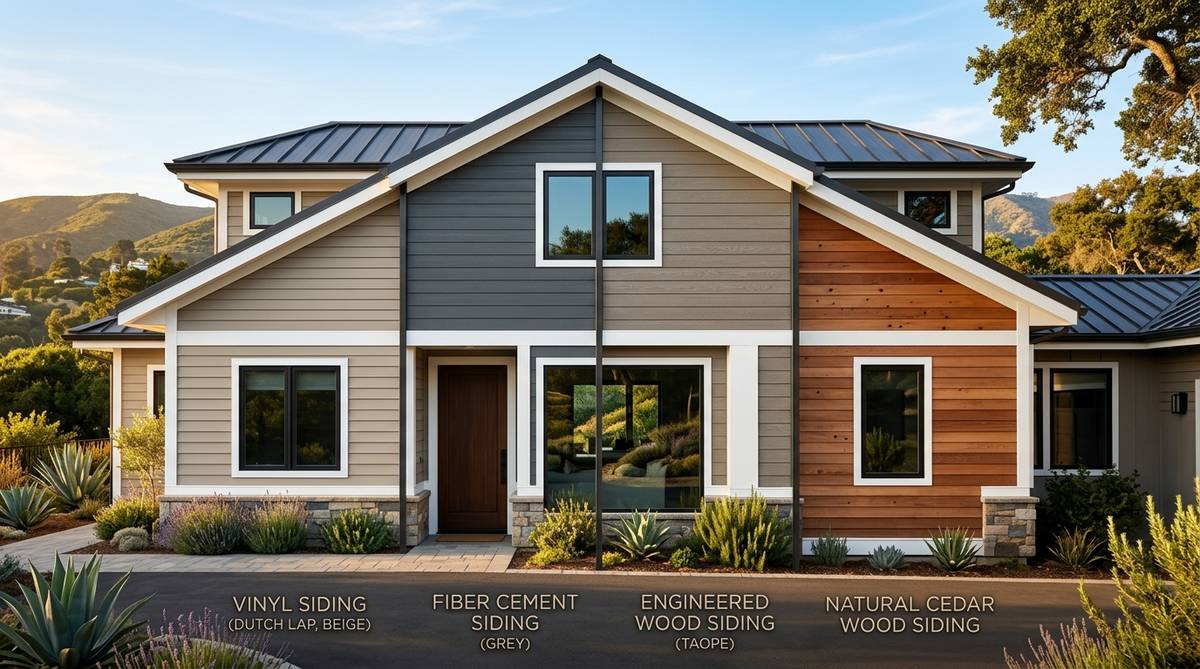
Material choice is the biggest variable in siding cost. The table below shows installed cost ranges per square foot for the most common options in Bay Area projects. These ranges include material, labor, and basic trim work but exclude tear-off of existing siding, which adds $1 to $3 per square foot.
| Siding Material | Installed Cost Per Sq Ft | Total Cost (1,500 sq ft home) |
|---|
| Vinyl siding | $4 - $9 | $6,000 - $13,500 |
| Fiber cement (James Hardie) | $8 - $16 | $12,000 - $24,000 |
| Engineered wood (LP SmartSide) | $7 - $14 | $10,500 - $21,000 |
| Wood (cedar, redwood) | $10 - $22 | $15,000 - $33,000 |
| Stucco (three-coat) | $8 - $14 | $12,000 - $21,000 |
| Stucco (one-coat synthetic) | $5 - $10 | $7,500 - $15,000 |
These are Bay Area ranges. National averages run lower, but they do not reflect Santa Clara County labor rates or the material handling costs in the South Bay market.
Vinyl Siding: Lowest Upfront Cost
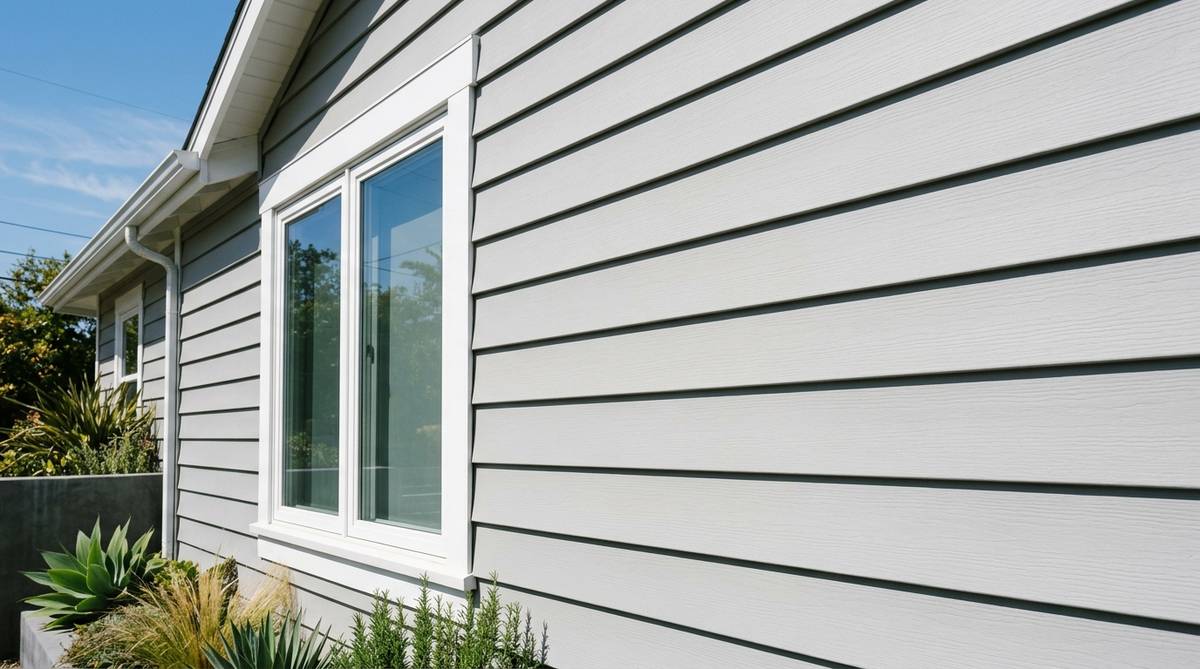
Vinyl siding is the most affordable option and has improved significantly in quality over the past decade. Modern vinyl comes in a wide range of profiles and colors, holds paint well, and requires minimal maintenance. It does not rot, warp, or attract insects.
The main limitation in the Bay Area is appearance. Vinyl can look less substantial than fiber cement or wood, which matters in neighborhoods where curb appeal drives home value. In higher-value San Jose submarkets, vinyl is less common on the exterior because buyers and appraisers notice the difference.
Best for: Budget-conscious projects, rental properties, or homes where resale is not the primary driver.
Bay Area installed cost: $4 to $9 per square foot, or roughly $6,000 to $13,500 for a 1,500-square-foot home.
Fiber Cement Siding: The Bay Area Standard
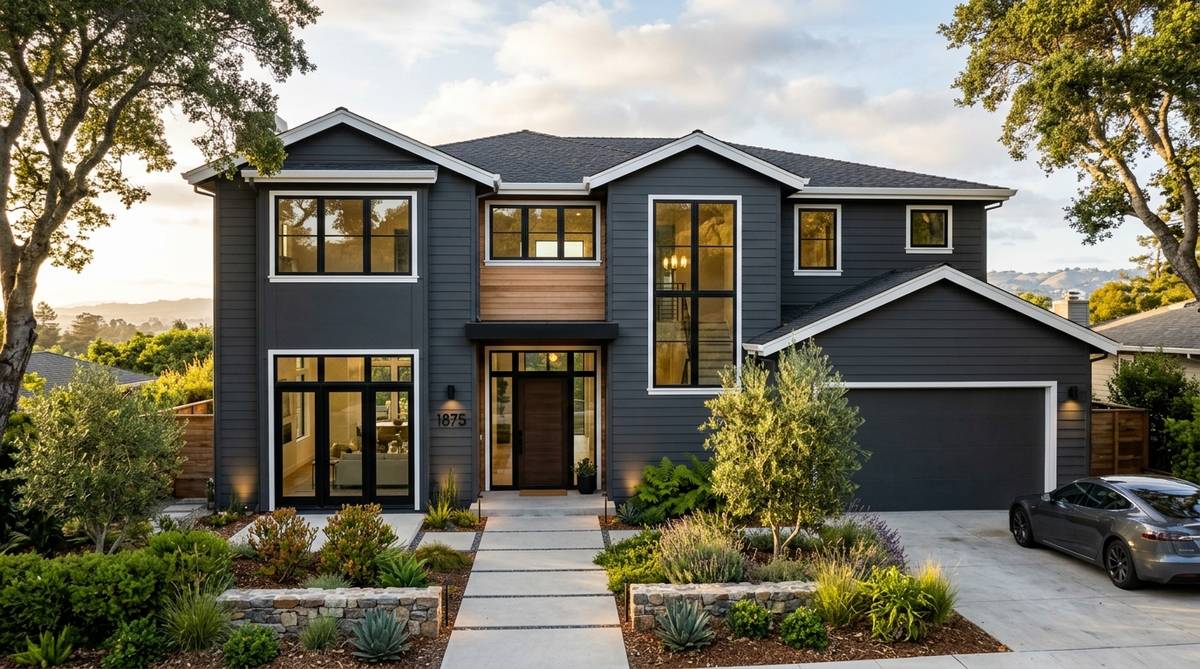
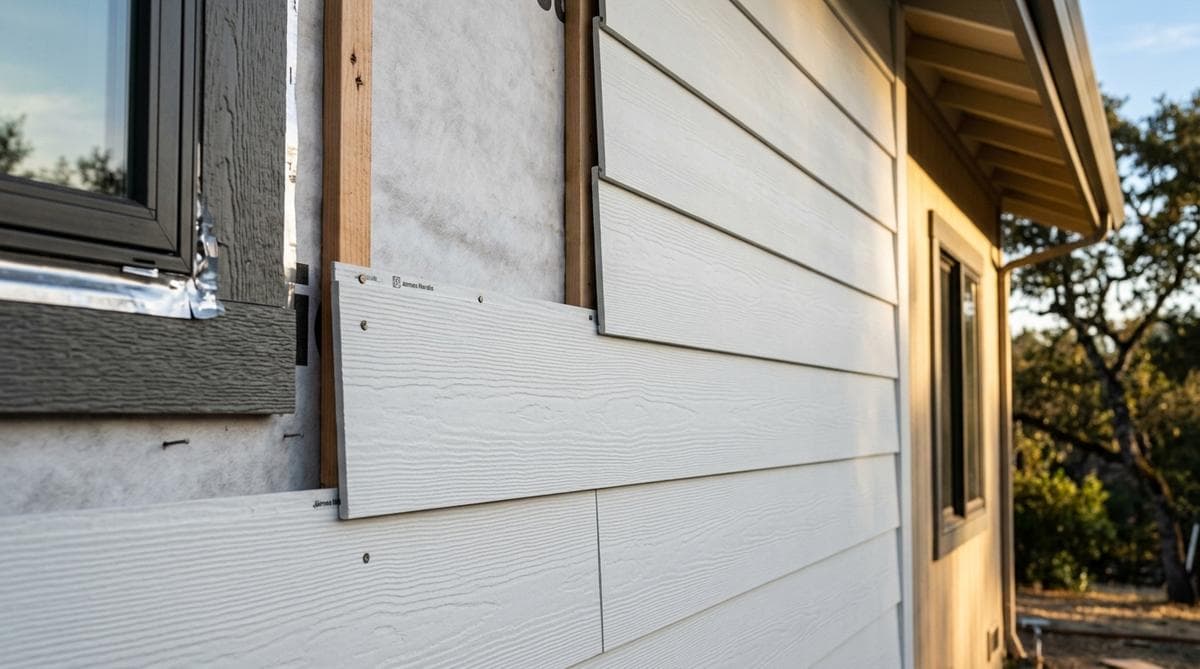
James Hardie fiber cement siding has become the dominant choice for Bay Area siding replacement projects, and for good reason. It is dimensionally stable, fire-resistant, and holds paint for 15 years or more with proper application. It resists moisture, insects, and the UV exposure that degrades wood siding in California's sunny climate.
James Hardie products are available in lap siding, panel, shingle, and trim profiles, giving homeowners flexibility to match the architectural character of their home. HardiePlank lap siding is the most common choice in San Jose neighborhoods.
The higher upfront cost compared to vinyl is offset by lower long-term maintenance and stronger resale performance. In the Bay Area, fiber cement is widely recognized by buyers and appraisers as a quality exterior material.
Best for: Most Bay Area homes where durability, appearance, and resale value are priorities.
Bay Area installed cost: $8 to $16 per square foot, or roughly $12,000 to $24,000 for a 1,500-square-foot home.
Important note: James Hardie installation requires certified contractors. Improper installation voids the warranty and can lead to moisture problems. Always verify that your contractor is a James Hardie Preferred Remodeler or equivalent certified installer.
Engineered Wood Siding: A Middle Ground
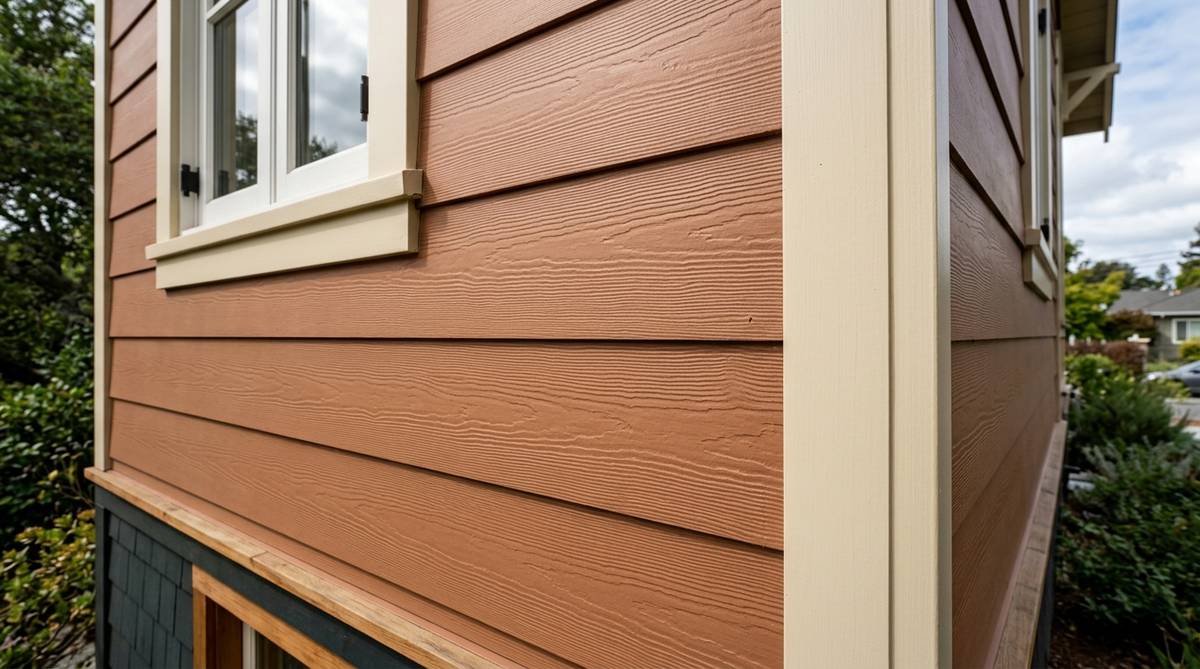
LP SmartSide and similar engineered wood products offer a wood-like appearance at a lower cost than real wood. They are treated for moisture and insect resistance and come with strong manufacturer warranties. Engineered wood is lighter than fiber cement, which can reduce installation labor slightly.
In the Bay Area, engineered wood is a solid choice for homeowners who want the warmth of a wood look without the maintenance demands of real wood. It performs well in Northern California's climate when properly installed and painted.
Best for: Homeowners who want a wood aesthetic with better durability than natural wood.
Bay Area installed cost: $7 to $14 per square foot, or roughly $10,500 to $21,000 for a 1,500-square-foot home.
Natural Wood Siding: Premium Look, Higher Maintenance
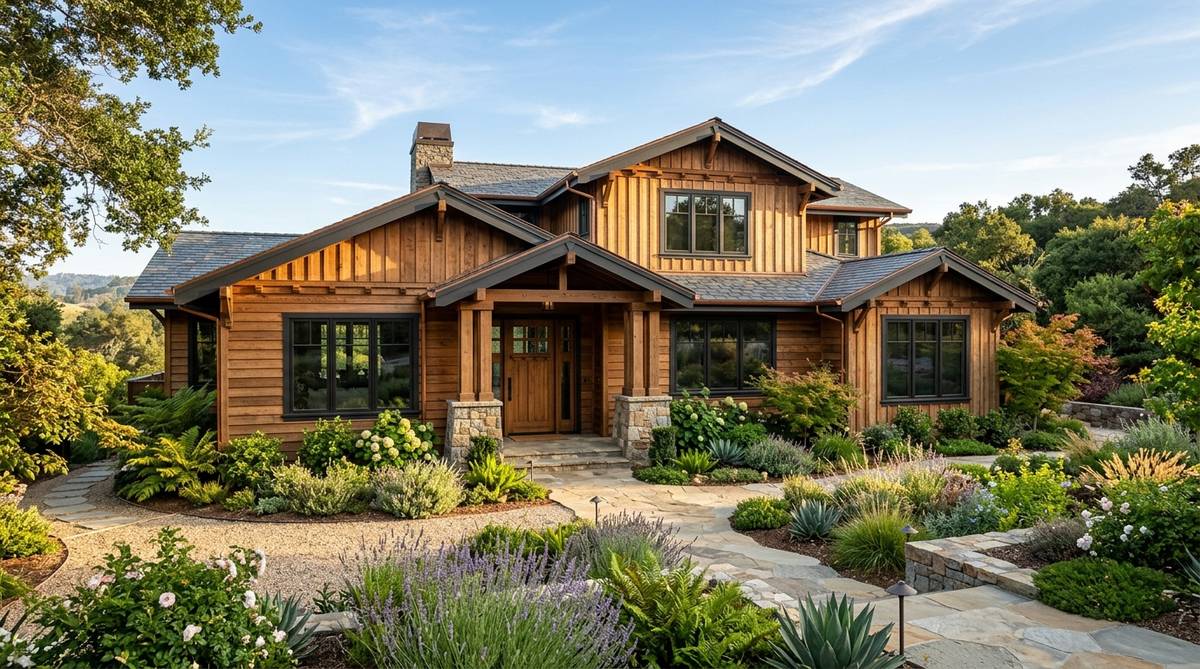
Cedar and redwood siding are traditional choices in California and still appear on many older Bay Area homes. Natural wood has a warmth and character that no manufactured product fully replicates. It is also workable, meaning trim details and custom profiles are easier to achieve.
The tradeoff is maintenance. Natural wood siding needs to be painted or stained every 5 to 8 years in the Bay Area, and it is vulnerable to moisture, insects, and UV degradation if maintenance lapses. In coastal-influenced microclimates around San Jose, where morning fog and marine layer are common, wood siding requires more attention than in drier inland climates.
Best for: Historic homes, high-end projects where natural character is a priority, or homeowners committed to regular maintenance.
Bay Area installed cost: $10 to $22 per square foot, or roughly $15,000 to $33,000 for a 1,500-square-foot home.
Stucco: Common in California, Requires Skilled Application
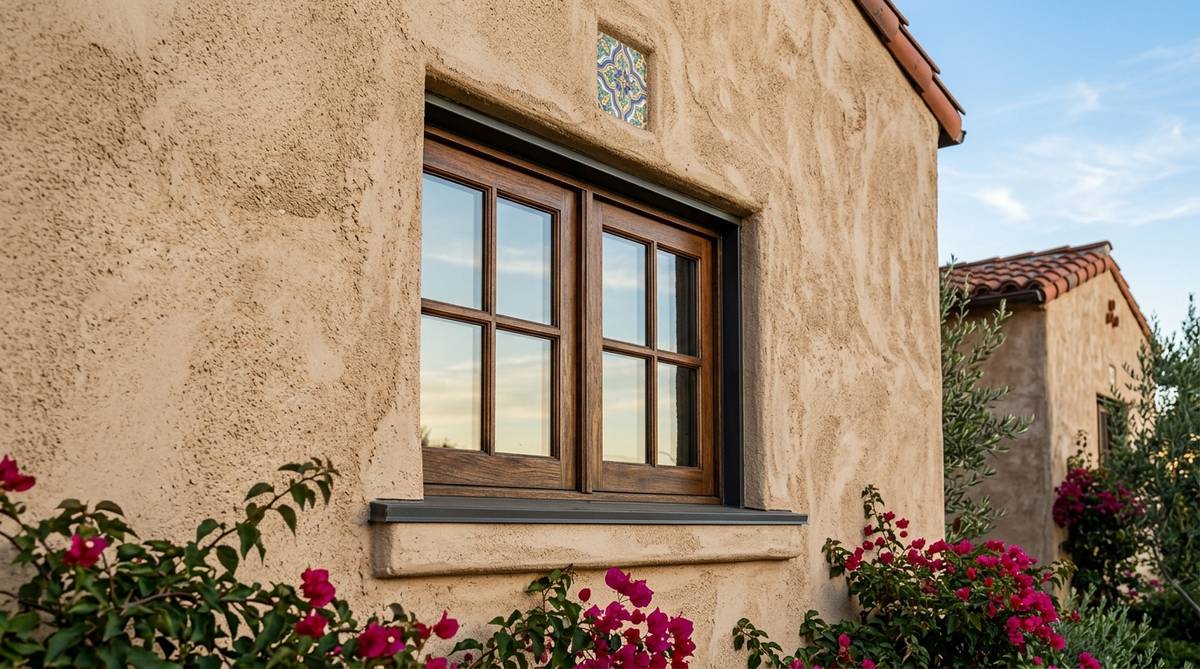
Stucco is the most common exterior finish on California homes built from the 1950s through the 1980s. Traditional three-coat stucco is durable and fire-resistant, but it requires skilled application and proper detailing around windows, doors, and penetrations to prevent moisture intrusion.
One-coat synthetic stucco systems are faster to apply and less expensive, but they require the same attention to detailing. Improperly applied stucco is one of the most common sources of moisture damage in Bay Area homes.
If your home already has stucco and you are replacing damaged sections or doing a full re-stucco, matching the existing texture is important for a consistent appearance. Full stucco replacement is a larger project than lap siding replacement because of the substrate preparation and multi-coat application process.
Best for: Homes that already have stucco, Mediterranean or Spanish-style architecture, or homeowners who want a seamless exterior without visible seams.
Bay Area installed cost: $8 to $14 per square foot for three-coat, or $5 to $10 for one-coat synthetic.
Bay Area Labor Premiums: What You Are Actually Paying For
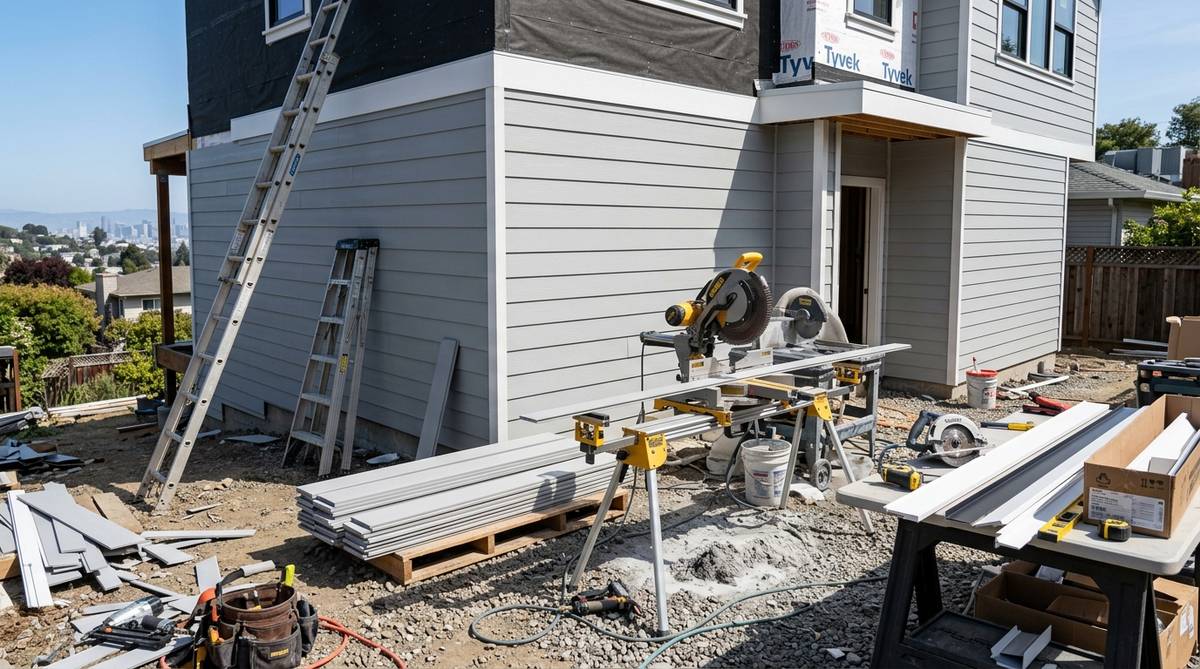
Labor is typically 40% to 60% of total siding replacement cost in the Bay Area. Santa Clara County has some of the highest construction labor rates in California, driven by strong demand, high cost of living, and a competitive market for skilled tradespeople.
A licensed siding contractor in San Jose typically charges $45 to $85 per hour for installation labor, depending on the material and complexity. Fiber cement installation runs toward the higher end because the material is heavy and requires specific fastening patterns and moisture management details.
Bay Area labor premiums are not negotiable by shopping for the lowest bid. They reflect real market conditions. What you can control is scope clarity. A well-defined project with complete drawings and material selections reduces change orders and keeps labor hours predictable.
When to Repair vs. Replace Siding
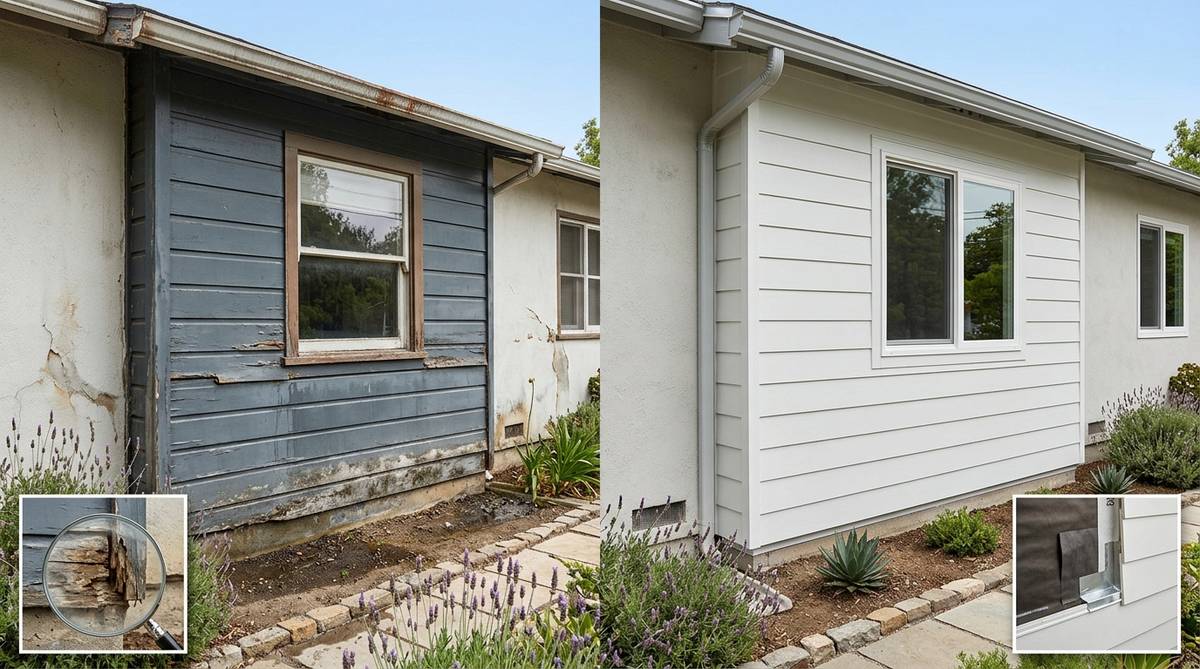
Not every siding problem requires full replacement. Here is a practical framework for making that decision.
Repair makes sense when:
- Damage is limited to a few boards or panels
- The underlying sheathing is dry and structurally sound
- The existing siding material is still available for matching
- The home is not being prepared for sale
Replace makes sense when:
- More than 25% to 30% of the siding surface shows damage or deterioration
- The existing material is no longer available for matching
- Moisture has penetrated to the sheathing or framing
- You are doing a full exterior renovation and want a consistent new look
- The home is being prepared for sale and curb appeal is a priority
In Bay Area homes built before 1980, full replacement is often more cost-effective than repeated repairs because the existing siding is at the end of its service life and matching materials are difficult to source.
Northern California Climate Considerations
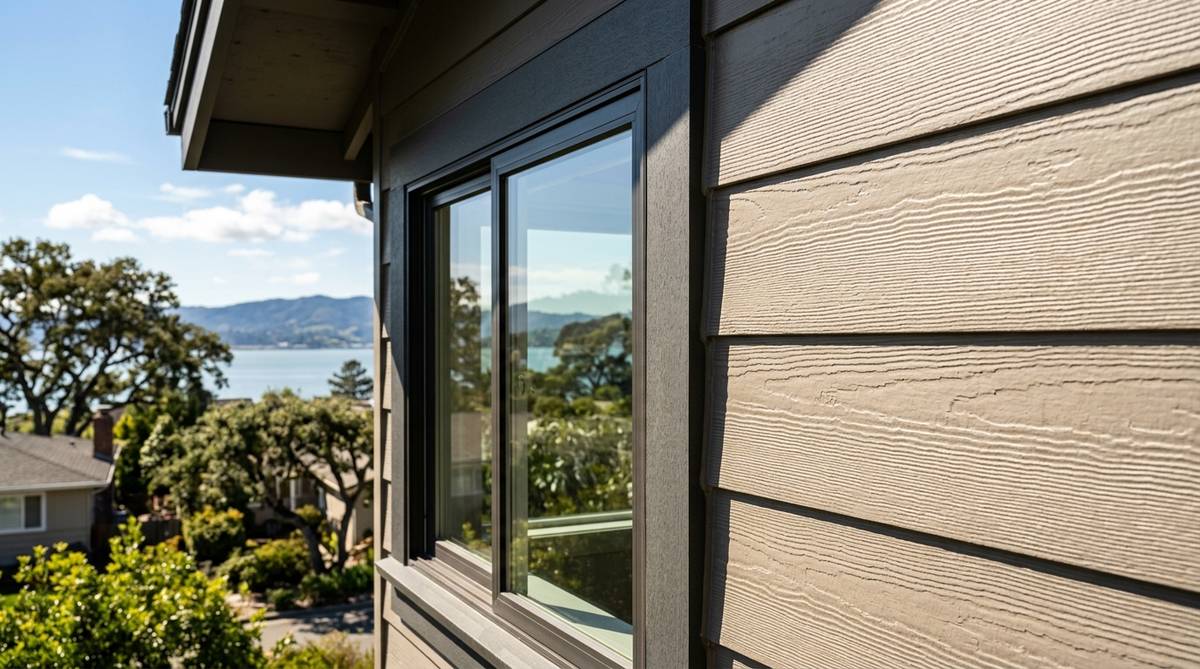
The Bay Area's climate is more varied than most people realize. San Jose and the South Bay get more sun and less fog than coastal areas, but marine layer influence is still present, especially in the morning hours. That moisture cycling, combined with strong UV exposure in the afternoon, creates specific demands on exterior materials.
- UV resistance: Materials that hold color and resist UV degradation perform better in San Jose's sunny climate. Fiber cement with factory-applied primer and quality exterior paint holds up well. Natural wood without regular maintenance fades and checks.
- Moisture management: Morning fog and occasional heavy rain require proper flashing, caulking, and drainage details at all penetrations. This is especially important around windows, doors, and where siding meets trim.
- Thermal movement: Temperature swings between cool mornings and warm afternoons cause materials to expand and contract. Fiber cement and engineered wood handle this better than vinyl, which can buckle in extreme heat.
- Fire resistance: California's wildfire risk has increased attention to fire-resistant exterior materials. Fiber cement and stucco are both Class A fire-rated, which can affect insurance rates and is increasingly important in the Bay Area.
ROI and Curb Appeal Impact
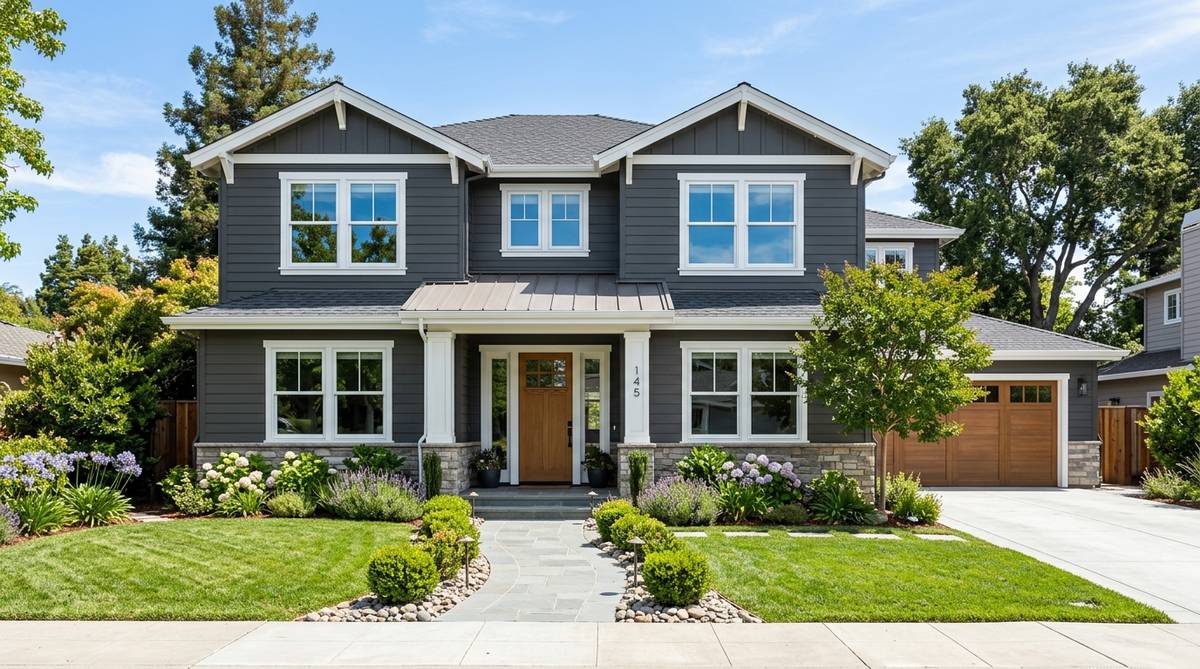
Siding replacement is one of the highest-ROI exterior projects you can do. According to Remodeling Magazine's Cost vs. Value data, fiber cement siding replacement returns approximately 68% to 76% of project cost at resale nationally, with Bay Area markets often performing at the higher end of that range due to strong home values.
Beyond the percentage return, updated siding improves first impressions, which affects how quickly a home sells and how strong the initial offers are. In San Jose's competitive market, a home with fresh, quality siding photographs better, attracts more buyer interest, and typically sells faster than a comparable home with visibly aging exterior.
For homeowners planning to stay long term, the ROI calculation also includes reduced maintenance costs and improved energy efficiency when new siding is installed with proper insulation backing.
What the Total Project Includes
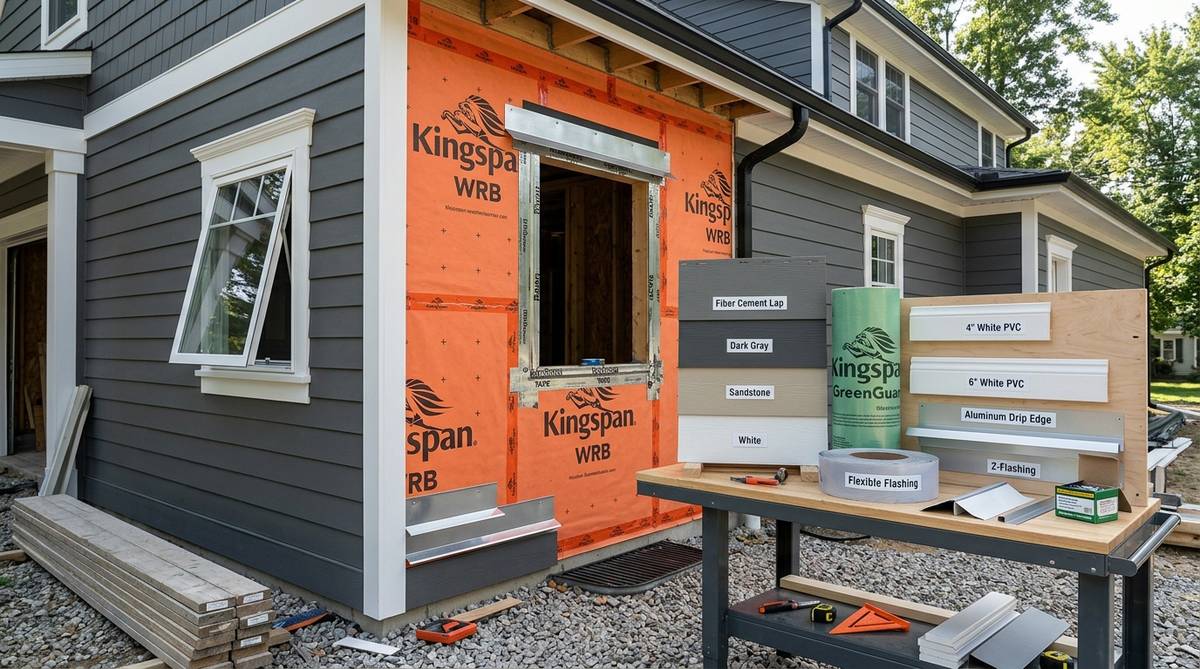
A complete siding replacement project in the Bay Area typically includes:
- Removal and disposal of existing siding
- Inspection and repair of sheathing and moisture barrier
- Installation of new house wrap or weather-resistant barrier
- New siding installation with proper fastening and flashing
- Trim replacement or painting
- Caulking at all penetrations and transitions
- Final paint or finish coat (for fiber cement and wood)
Permit requirements vary by scope. In San Jose, siding replacement that involves structural sheathing repair or changes to the building envelope may require a permit. Your contractor should advise on permit requirements for your specific project.
How to Get an Accurate Siding Replacement Quote
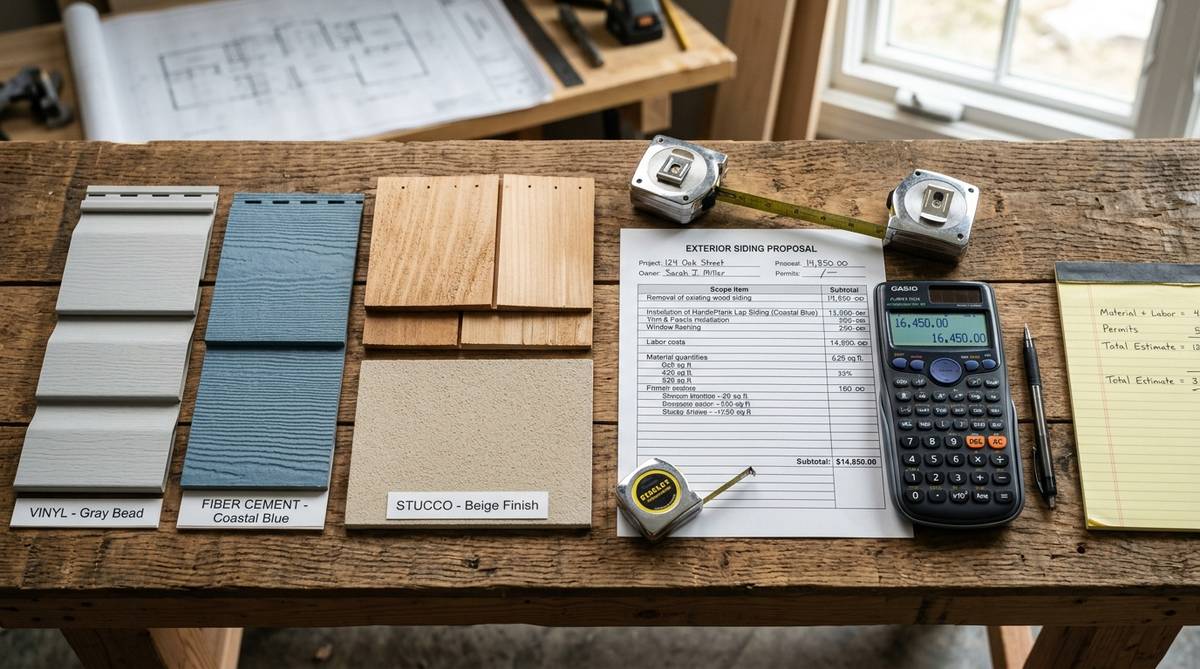
Siding quotes vary widely because contractors make different assumptions about tear-off, sheathing condition, trim scope, and paint. To compare quotes accurately:
- Ask each contractor to specify the material brand and product line
- Confirm whether tear-off and disposal are included
- Ask what happens if sheathing damage is found during tear-off
- Confirm whether trim replacement is included or priced separately
- Ask whether paint or finish coat is included in the quote
- Verify that the contractor is licensed and carries general liability and workers' compensation insurance
A detailed written quote with clear scope assumptions is worth more than a low headline number. In Bay Area siding projects, scope clarity is where budget control actually happens, which is why our process starts with a thorough scope review before any numbers are finalized.
Frequently Asked Questions
How much does siding replacement cost in the Bay Area?
Most Bay Area siding replacement projects cost between $8,000 and $28,000 for a typical single-story home, depending on material choice and home size. Fiber cement projects commonly run $12,000 to $24,000 for a 1,500-square-foot home. Labor premiums in Santa Clara County push costs above national averages.
Is fiber cement siding worth the extra cost over vinyl?
For most Bay Area homeowners, yes. Fiber cement holds up better in California's climate, looks more substantial, and performs better at resale. The higher upfront cost is typically recovered through lower maintenance and stronger buyer perception.
How long does siding replacement take?
Most siding replacement projects take 5 to 10 business days for installation, plus time for permit review if required. Larger homes or projects with significant sheathing repair can take longer.
Does siding replacement require a permit in San Jose?
It depends on scope. Cosmetic siding replacement over intact sheathing may not require a permit, but projects involving structural sheathing repair or changes to the building envelope typically do. Your contractor should confirm permit requirements before work begins.
What is the best siding for Northern California homes?
Fiber cement siding, particularly James Hardie products, is the most popular choice for Bay Area homes because of its durability, fire resistance, and performance in California's climate. It handles UV exposure, moisture cycling, and thermal movement better than most alternatives.
Ready to start? Contact Maison Remodeling at (408) 384-3317 or visit our contact page to schedule a consultation.